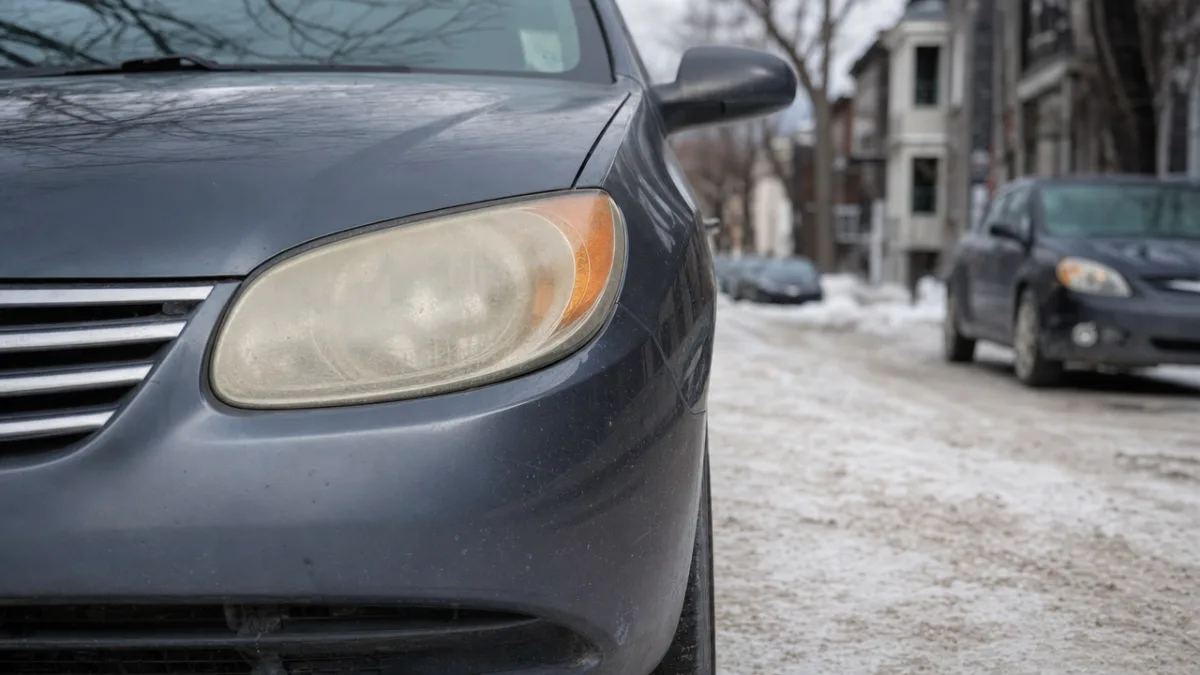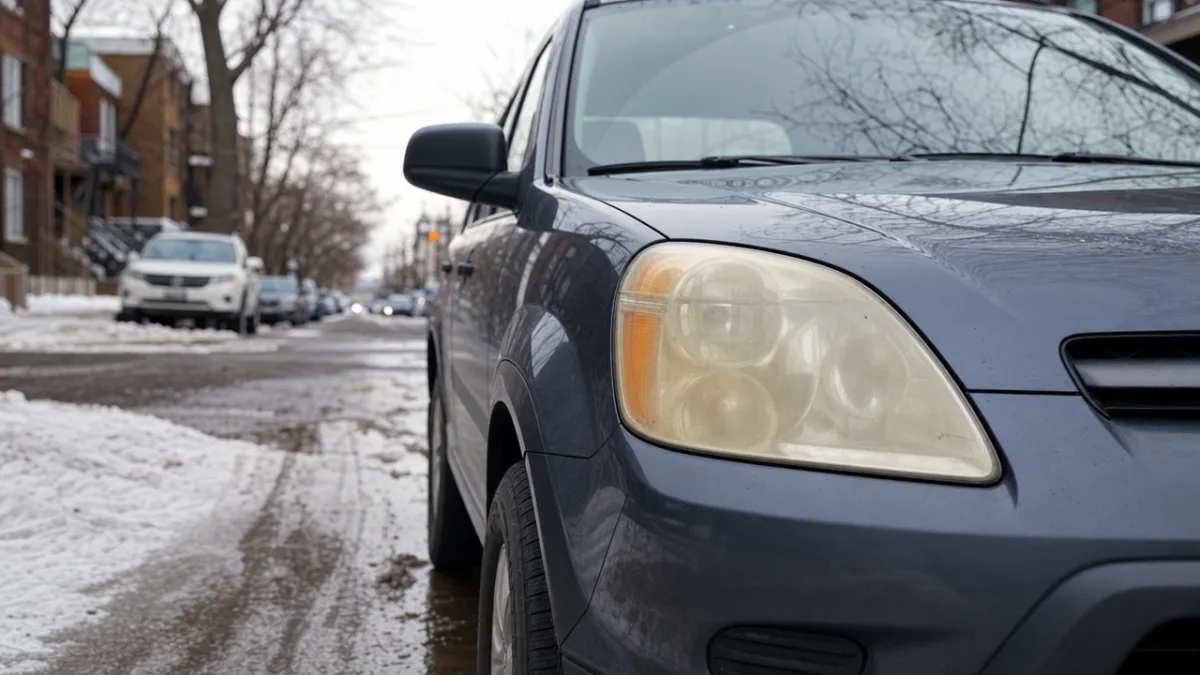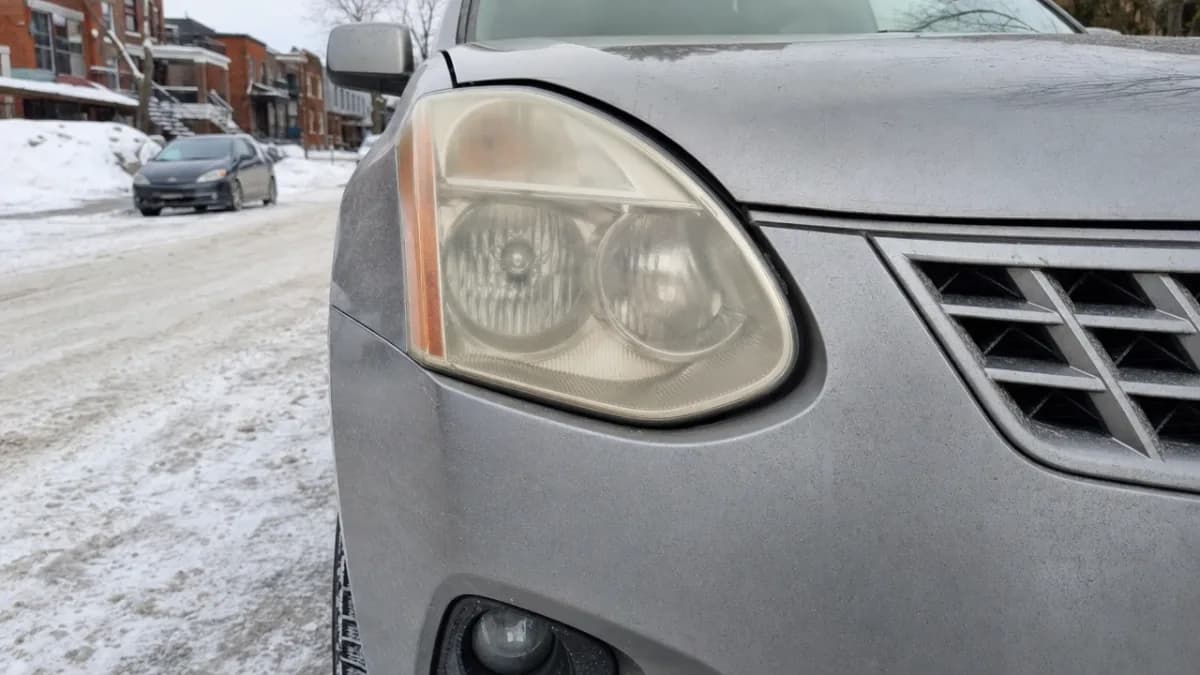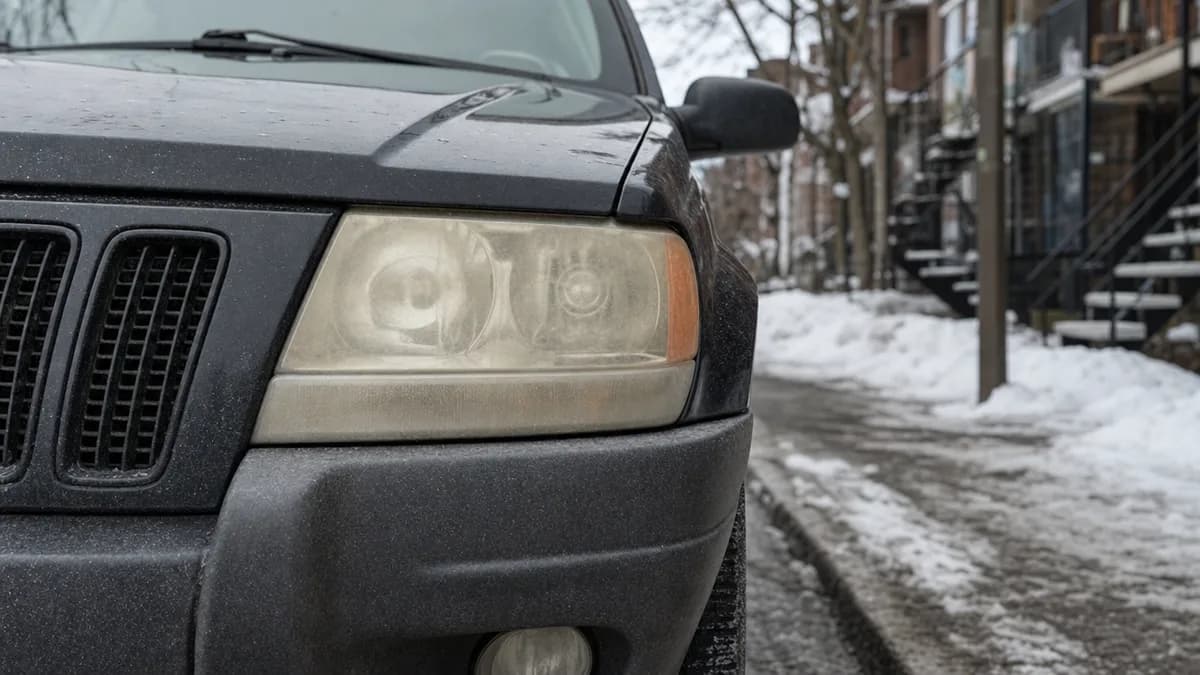
A problem Silverado and Sierra owners know all too well
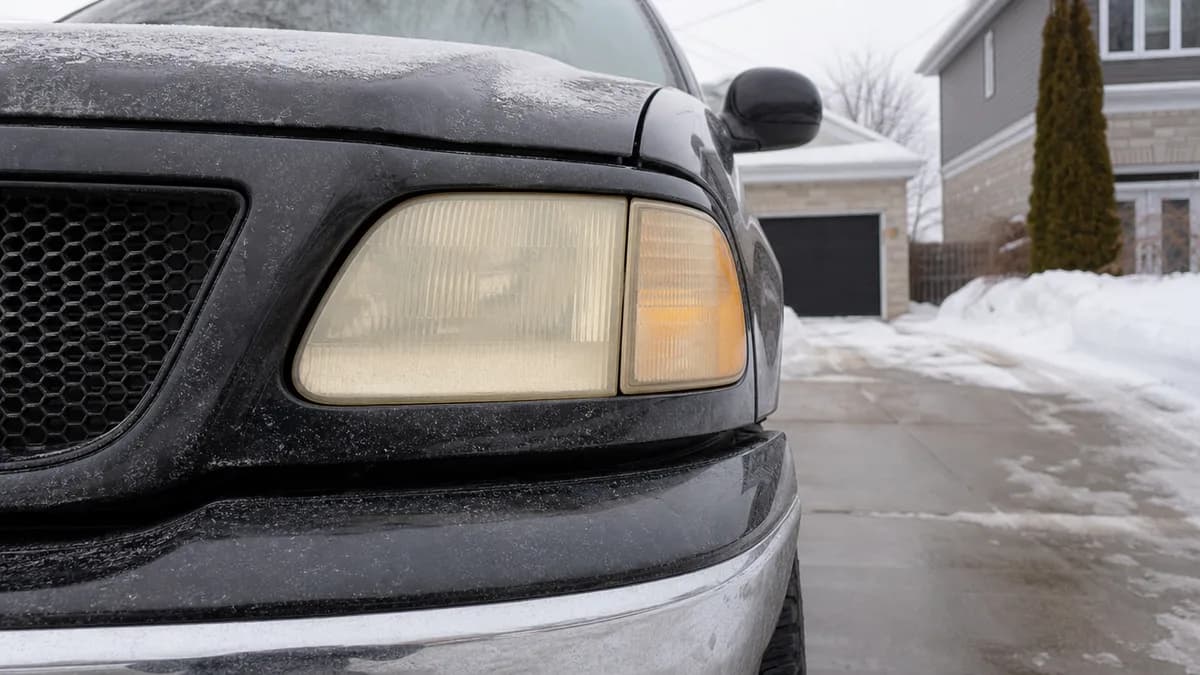
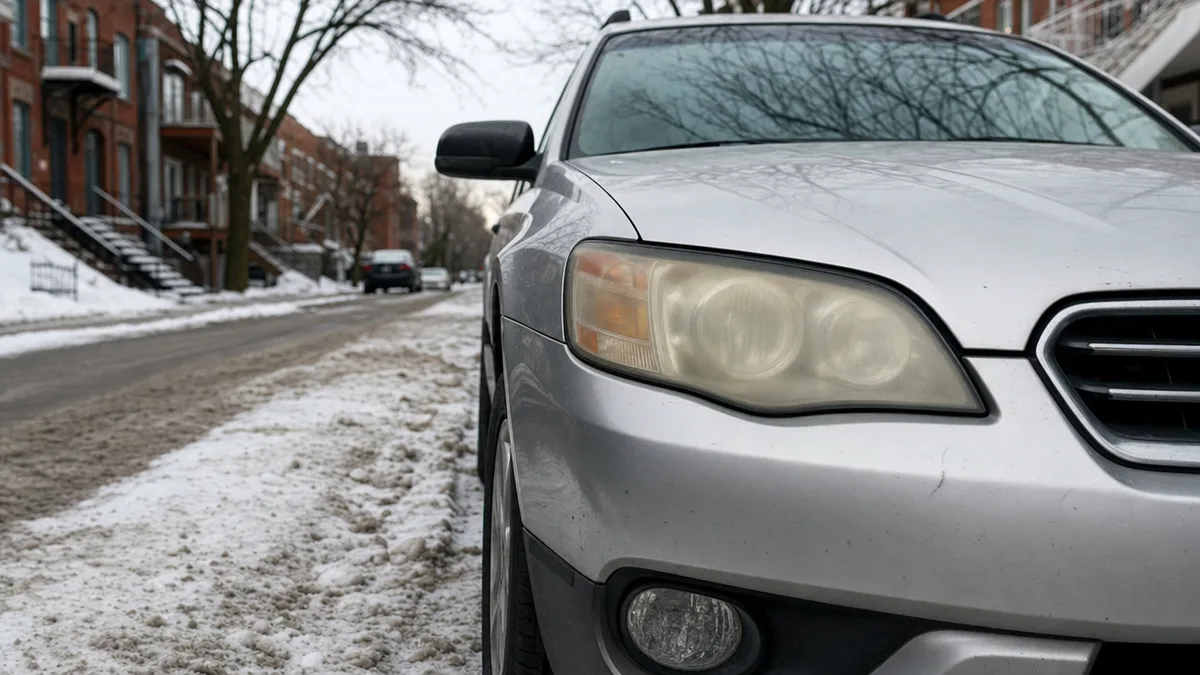
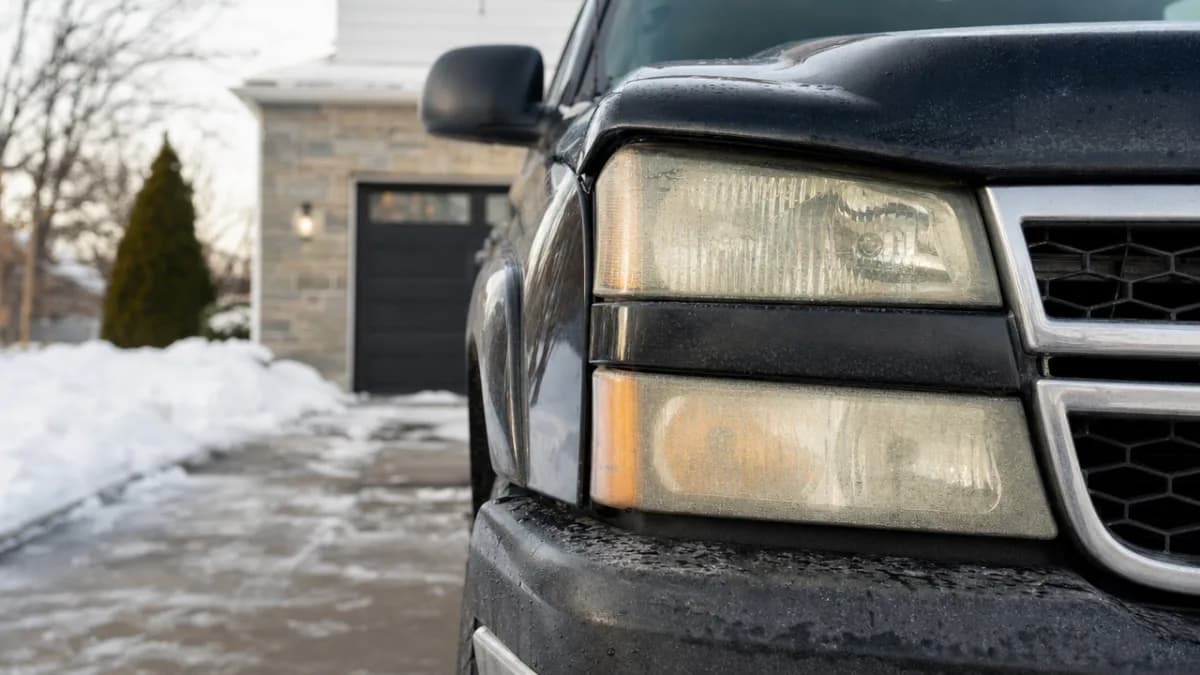
If you own a Silverado or Sierra, you've probably noticed it: after three or four years, the headlights start to take on a yellowish tint, sometimes hazy. It's not bad luck or neglect. It comes down to a few specific factors: the size of the headlights, the type of plastic used, and what Quebec throws at your truck year-round.
These two trucks sell in very large numbers in the province, for personal and commercial use alike. So the problem is common, and solutions do exist.
Why polycarbonate ages, and why so quickly
Since the 1990s, practically all car and truck headlights are made from polycarbonate. This plastic is lightweight, impact-resistant, and easy to mold, which makes it a natural fit for the large units on the front of the Silverado and Sierra. The problem is that it reacts badly to ultraviolet rays.
To slow this down, manufacturers apply a UV-protective clear coat to the headlight surface before it leaves the factory. That coating works for a while. Under Quebec's summer sun (more intense than people give it credit for), engine heat, sudden temperature swings, and road grime, the coating eventually breaks down. Once it's gone, the polycarbonate oxidizes directly, and that's when yellowing sets in.
As we explain in our article on polycarbonate headlights, this process is chemically unavoidable over time, but how fast it happens depends a lot on exposure and the protection applied afterward.
The Quebec-specific factors that speed things up
The Quebec climate is particularly rough on truck headlights. Here's why.
In winter, de-icing salt thrown onto roads builds up on the front of your vehicle. Salt is abrasive and corrosive: it attacks the remaining clear coat and speeds up polycarbonate oxidation. And unlike a sedan whose headlights sit more sheltered within the body, a Silverado or Sierra gets a lot more exposure up front. The wide grille and the truck's high stance mean the headlights take the brunt of everything.
In summer, the sun beats down directly. A truck parked in a driveway or on a job site gets hours of direct exposure, often with no shade in sight.
Add in gravel spray on the highways and the heat from a big V8 or turbocharged four-cylinder, and all the conditions are in place for accelerated aging.
The size of the headlights plays a role too
The Silverado and Sierra, depending on the generation, have fairly large headlight assemblies. The bigger the exposed surface, the more UV rays, salt, and spray it catches. It's that simple.
SUV and truck headlights generally suffer worse than sedan headlights for exactly these reasons, a point this article covers in detail. The design of these vehicles makes them more vulnerable.
And when yellowing sets in, it affects lighting performance directly. A cloudy headlight can cut your light output significantly, which becomes a real concern when driving at night or in bad weather.
What you can actually do about it
The good news is that professional restoration fixes the problem in a lasting way. The process involves gradually sanding the oxidized surface to remove the degraded layers, then applying a quality UV treatment that recreates protection similar to the original, sometimes better.
The key after restoration is protection. A well-applied UV clear coat, or even a ceramic coating, can extend your results for several years with proper upkeep. Protecting your headlights after restoration is just as important as the restoration itself: skip that step and the yellowing comes back faster than you'd expect.
For a Silverado or Sierra that sees heavy use on job sites, towing, or high mileage, this matters even more. Regular maintenance keeps you from reaching an advanced state of degradation that makes the work harder and more costly.
The benefit of a mobile service
One reality for truck owners is that time is often tight. Making an appointment, dropping off your vehicle, coming back to pick it up: that's time a lot of people simply don't have, especially when the truck does double duty for work and weekend use.
That's why a mobile service like Phares Auto Mobile makes sense. We come to you, at your home or workplace, and get the job done while you take care of other things. No trips, no complicated logistics.
If your Silverado or Sierra is starting to show signs of yellowing, don't wait for it to get worse. Book an appointment on pharesautomobile.ca and we'll take care of it right at your place.