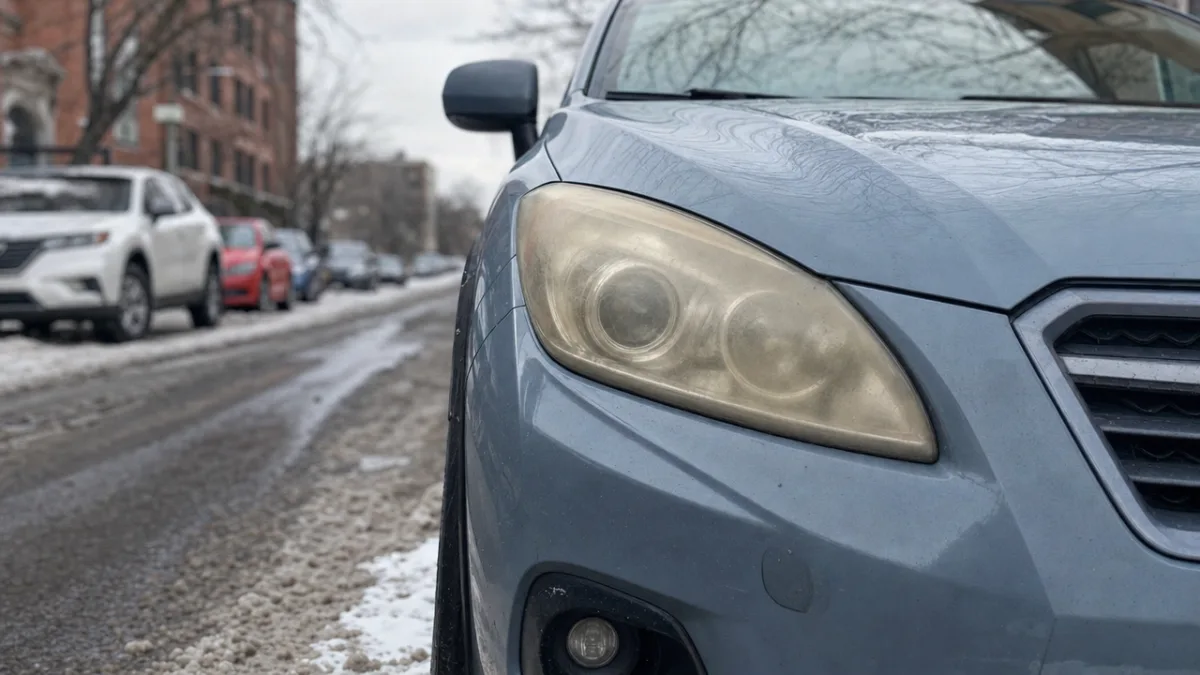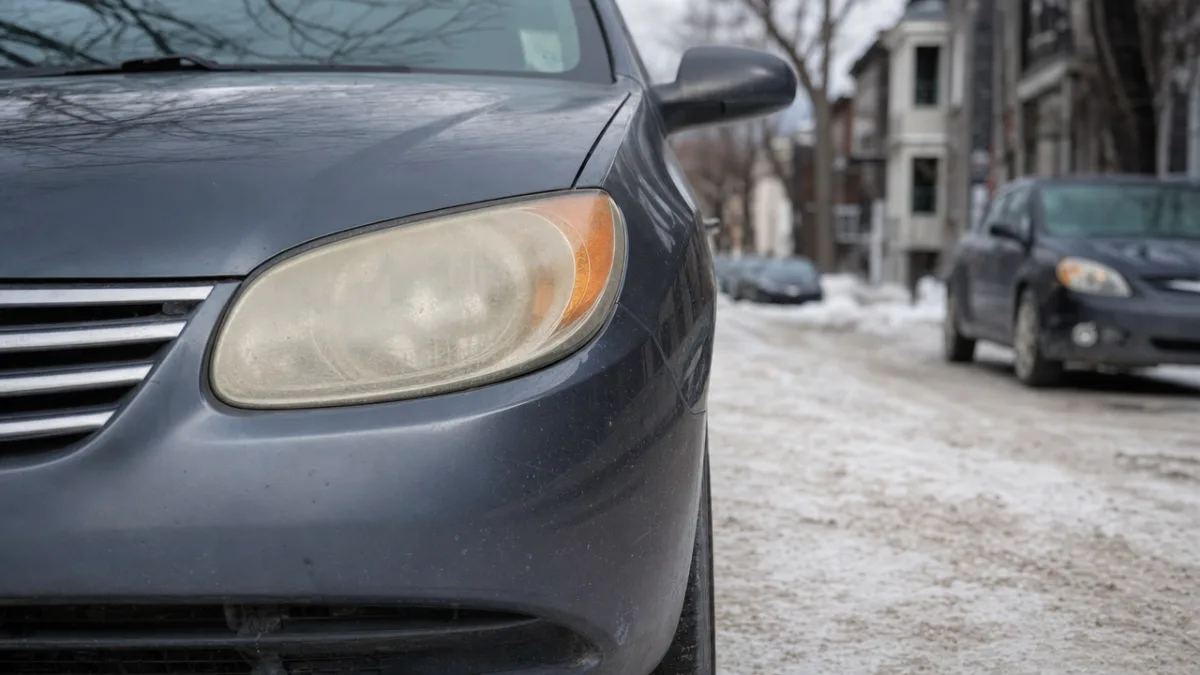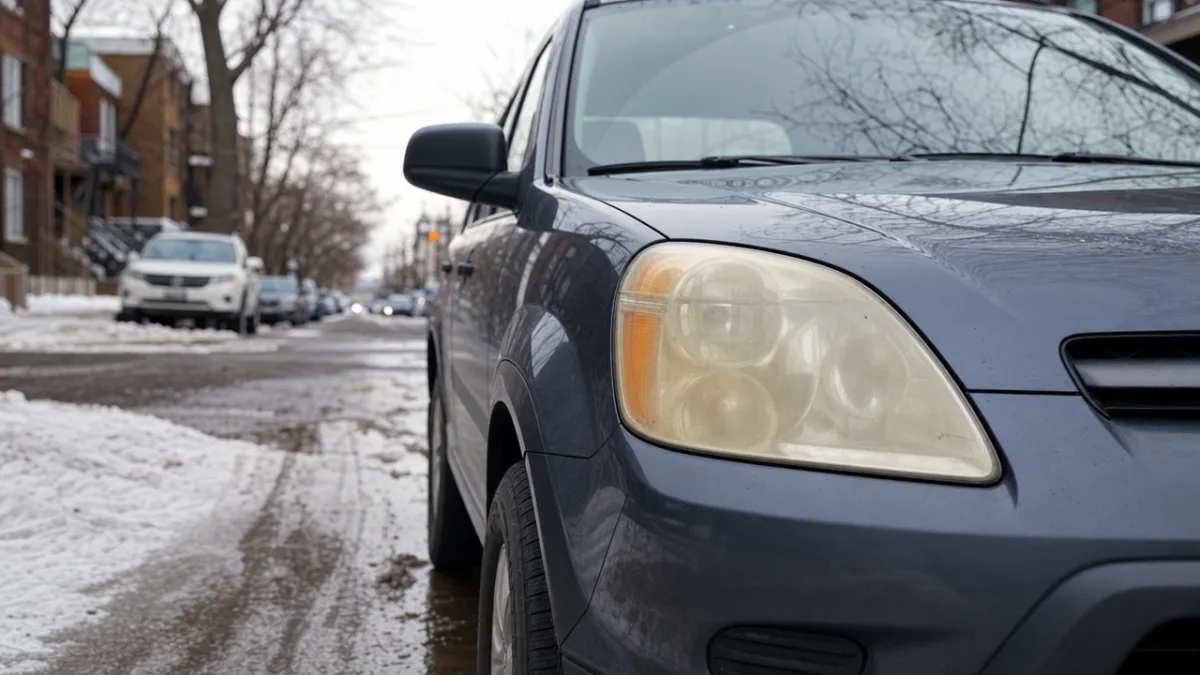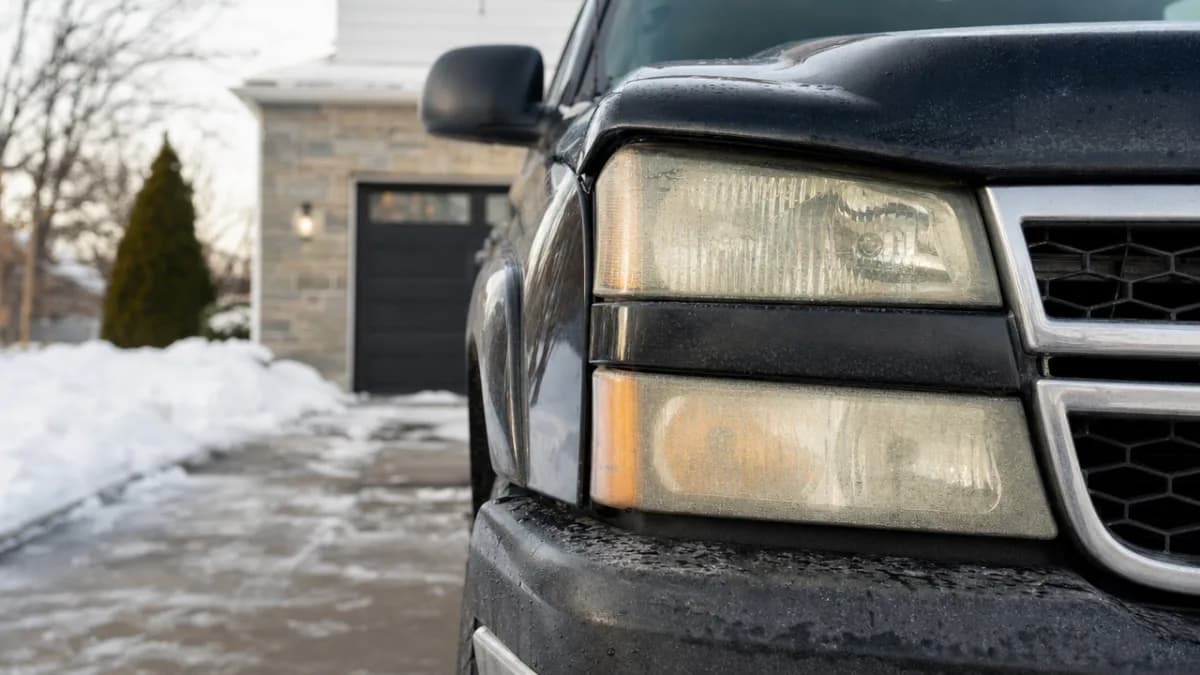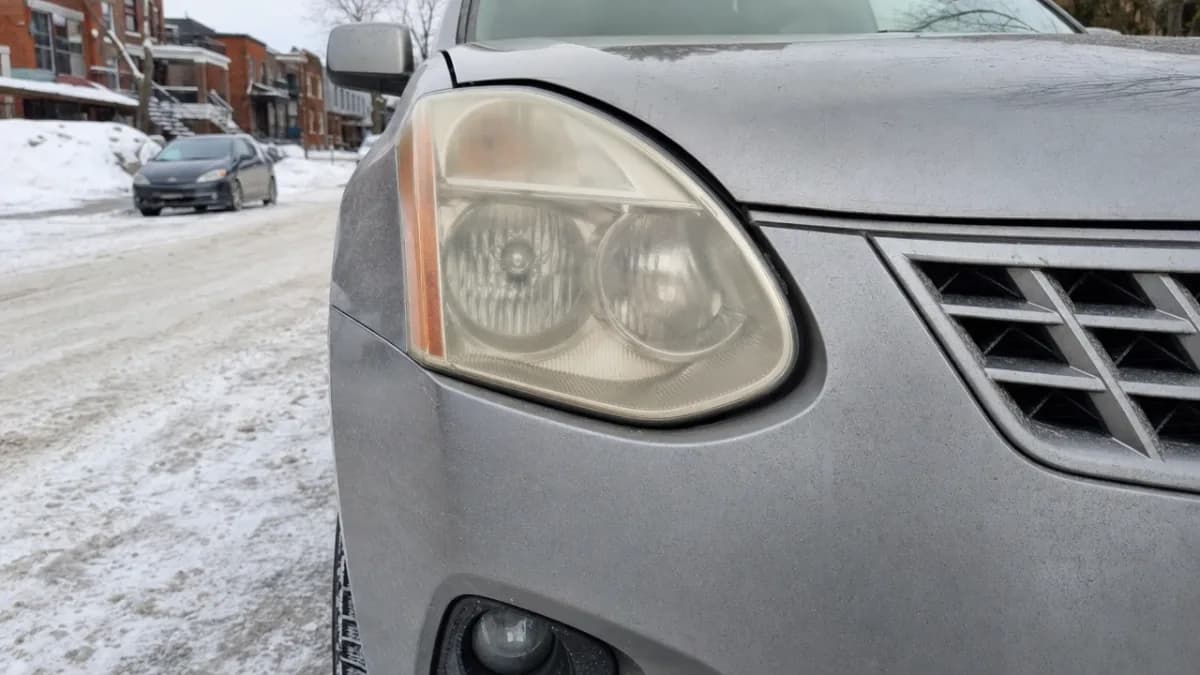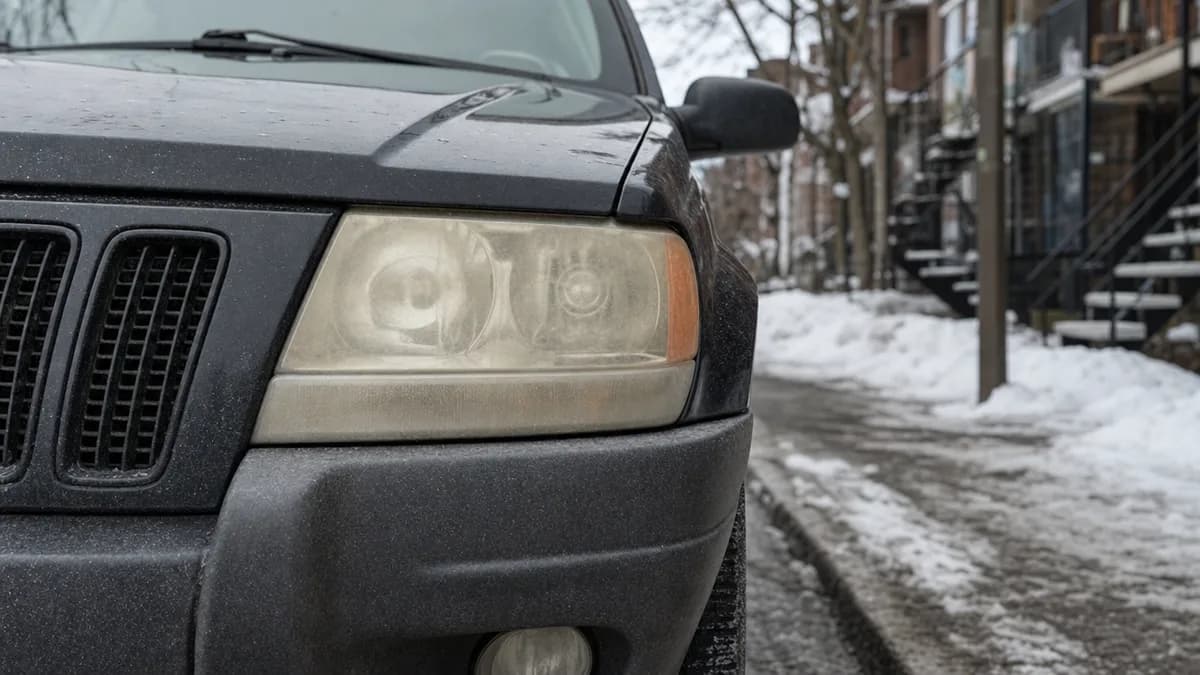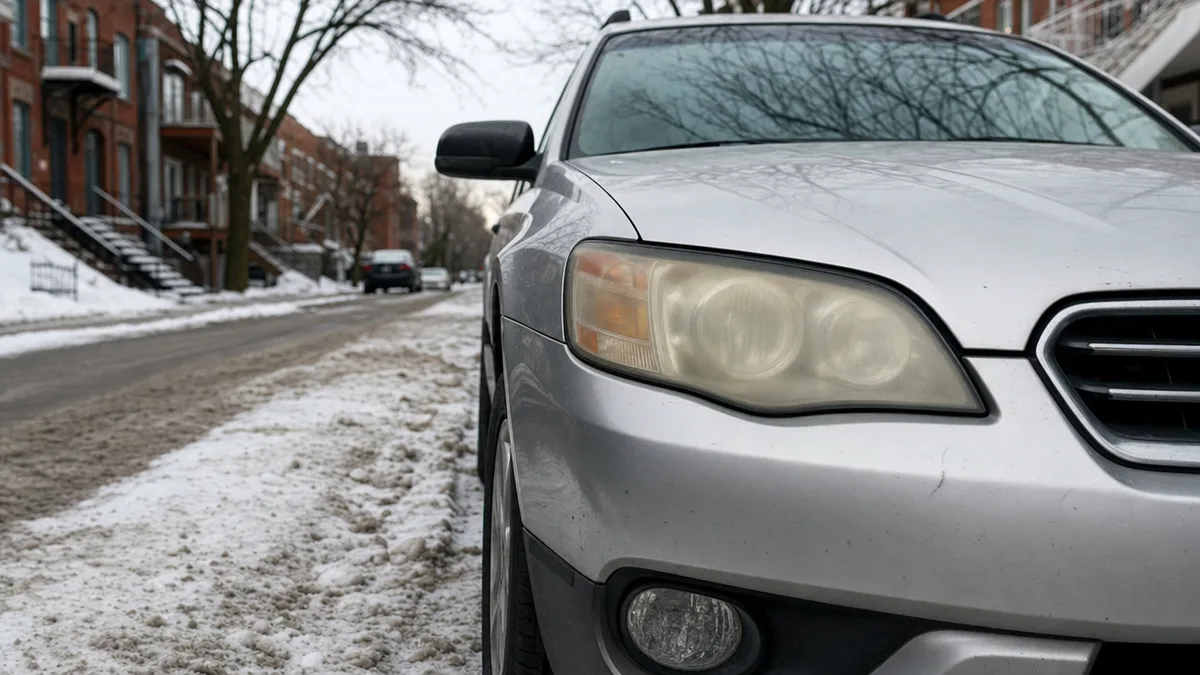
The Subaru Outback and Forester are among the most popular vehicles in Quebec. Standard all-wheel drive, decent ground clearance, proven reliability. It's a hard combination to beat for our winters. But if you own either of these two models, you've probably noticed that your headlights went yellow or milky well before the cars around you did. That's not in your head. Both models have a documented reputation for this, and there are clear reasons why.
Polycarbonate is the same material as on every other car. So why does it yellow faster?
Since the 1990s, practically every automaker has dropped glass in favor of polycarbonate for headlight lenses. This plastic resists impacts better, weighs less, and can be molded into complex shapes. But it has a real flaw: UV exposure and temperature swings break it down over time. To slow that process, manufacturers apply a protective coating to the outer surface. That coating is what keeps the lens clear.
The catch is that coating quality and thickness vary depending on the manufacturer and the model year. Some versions hold up fine; others don't. On several generations of the Outback and Forester, this coating turned out to be less durable than average. If you want to go deeper on the chemistry behind it, we cover it in the article Why polycarbonate headlights turn yellow faster than glass.
The position of the headlights on these two models also plays a role
On an Outback or Forester, the front headlight assemblies sit fully exposed. They're front and center on the hood, with little protection from above. That means direct sunlight hits them for a good part of the day, even when the car is parked. In summer, a headlight in full sun can reach temperatures well above 60 to 70 degrees Celsius. Those repeated heating and cooling cycles eat through the coating faster.
Add the Quebec climate on top of that: road salt from November through April, loose gravel, and constant freeze-thaw cycles. The result is a headlight surface that racks up years of wear in just a few seasons.
What are the signs that your headlights need treatment?
On an Outback or Forester, it usually starts with a slight yellowish haze. Then comes the milky, almost frosted look. In more advanced cases, the surface turns plainly opaque, sometimes with visible micro-cracks if you look closely.
This isn't just a cosmetic issue. A clouded headlight throws light much less effectively. If you're telling yourself your headlights are "not that bad," take a look at My headlights aren't that bad. Should I still have them treated?. The before-and-after results are pretty convincing.
Does headlight restoration work well on these models?
Good news: yes. Outback and Forester headlights restore well in the vast majority of cases. The plastic under the degraded coating is usually in decent shape, so after progressive sanding and a fresh sealant or ceramic coating, the lens gets back to close to original clarity.
The main thing is not to wait too long. The more yellowing has set in, the more work it takes, and in extreme cases (deeply cracked lenses) your options shrink. For headlights that are ten years old or more, it's still often worth trying, as we explain in Restoring headlights on a vehicle that's 10+ years old: is it still possible?.
What you can do to slow degradation after restoration
Once your headlights are back to clear, the priority is protecting that surface. The coating applied during restoration is generally more durable than the original, but it still needs basic care. Skip automatic car washes with brushes, since they abrade the surface over time. If you park outside, try to point the front of the car away from direct sun when you have the option.
An Outback or Forester in solid mechanical shape but with foggy headlights is a bit of a waste. These vehicles routinely hit 300,000 km and beyond in Quebec, so it makes sense to keep the lighting in the same condition as the rest of the car.
If you want your headlights treated without making a trip anywhere, book an appointment at pharesautomobile.ca. We come to you, whether that's at home or at work.