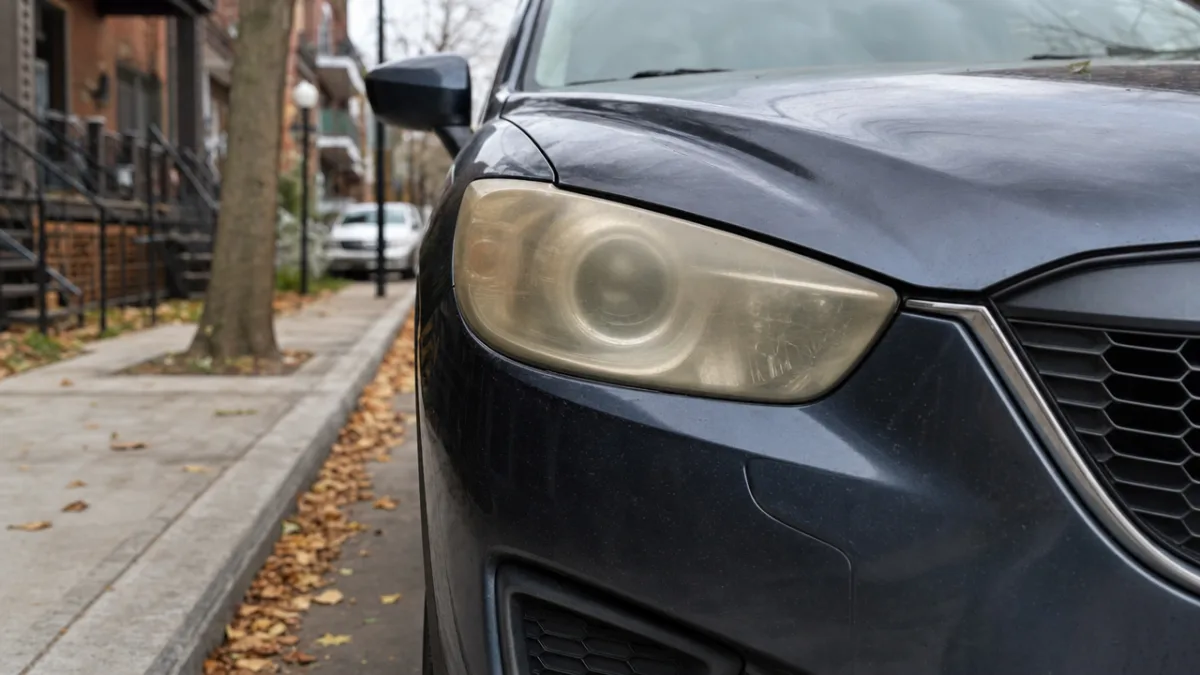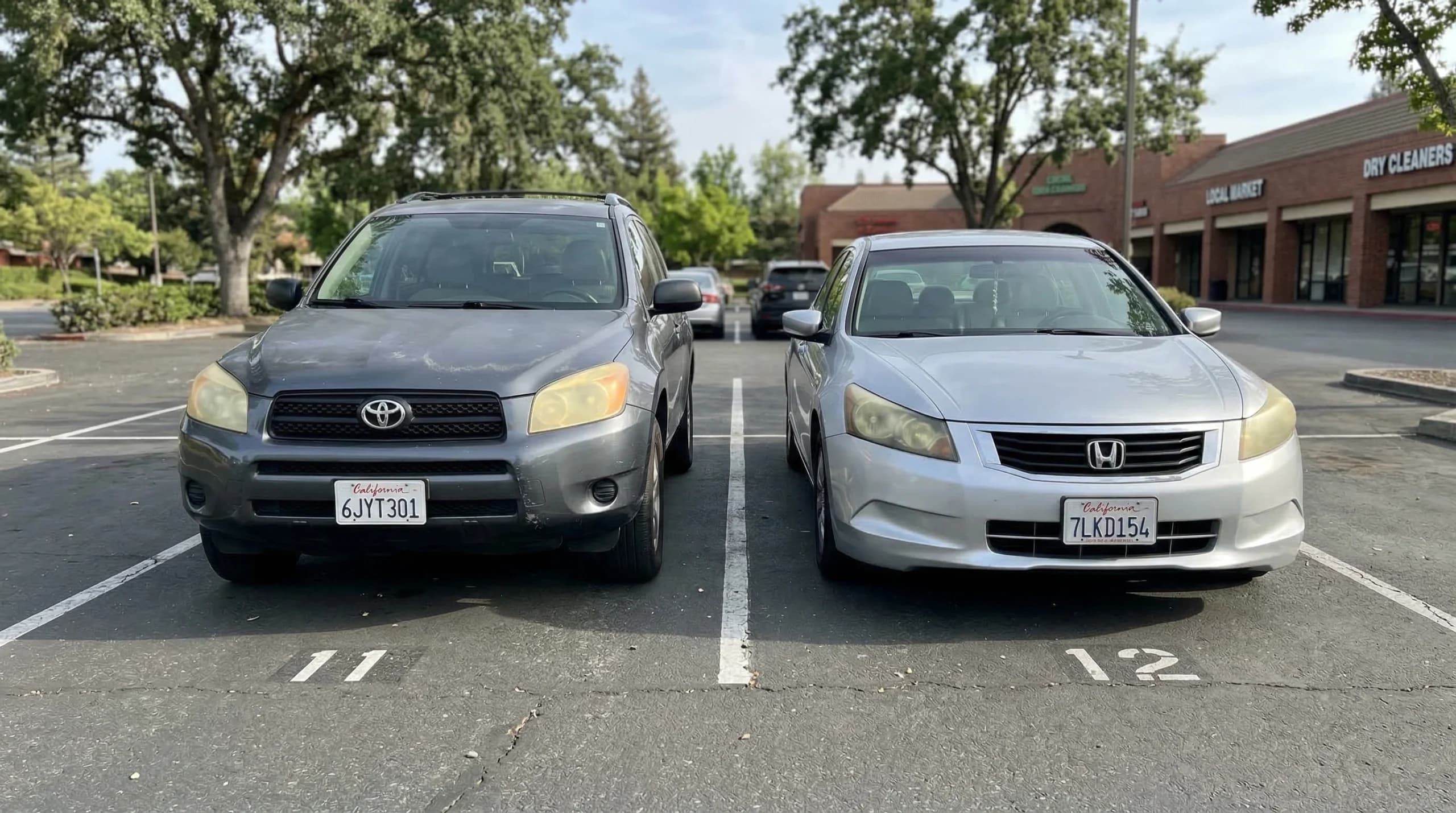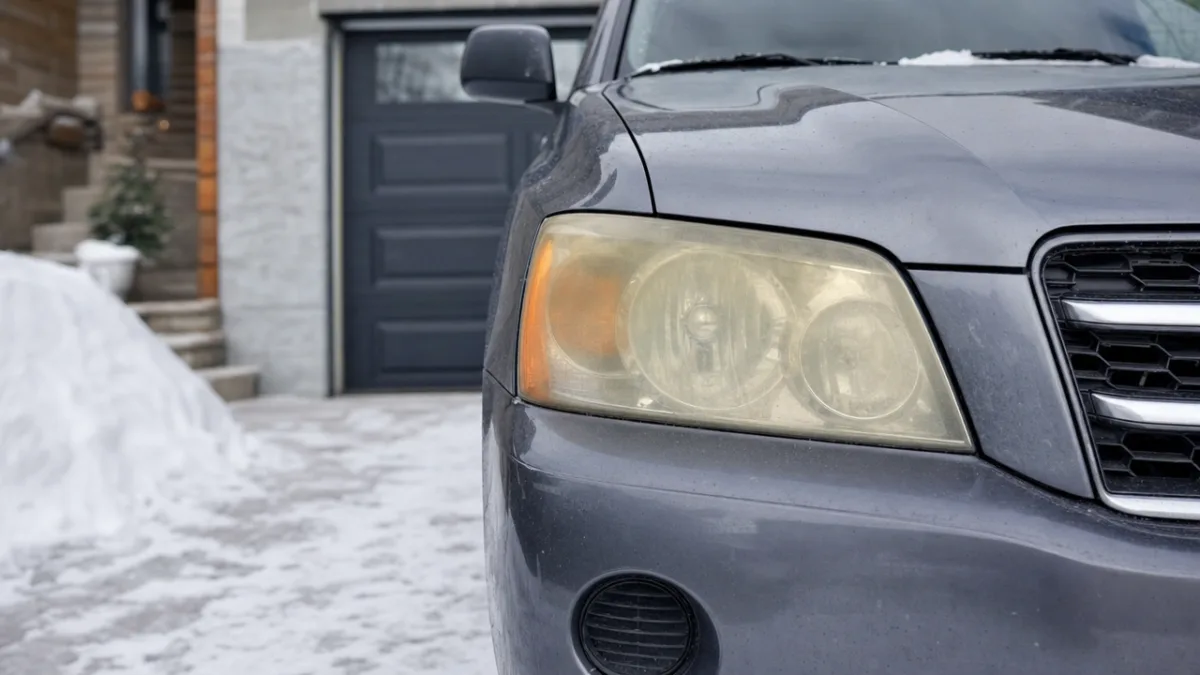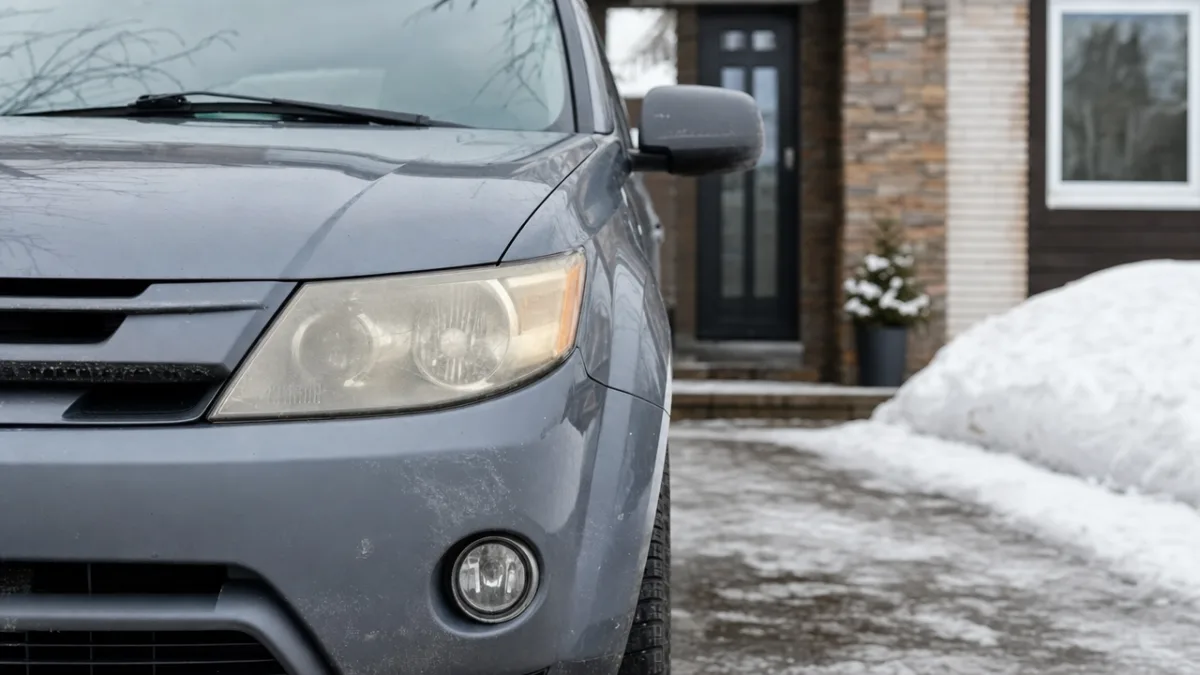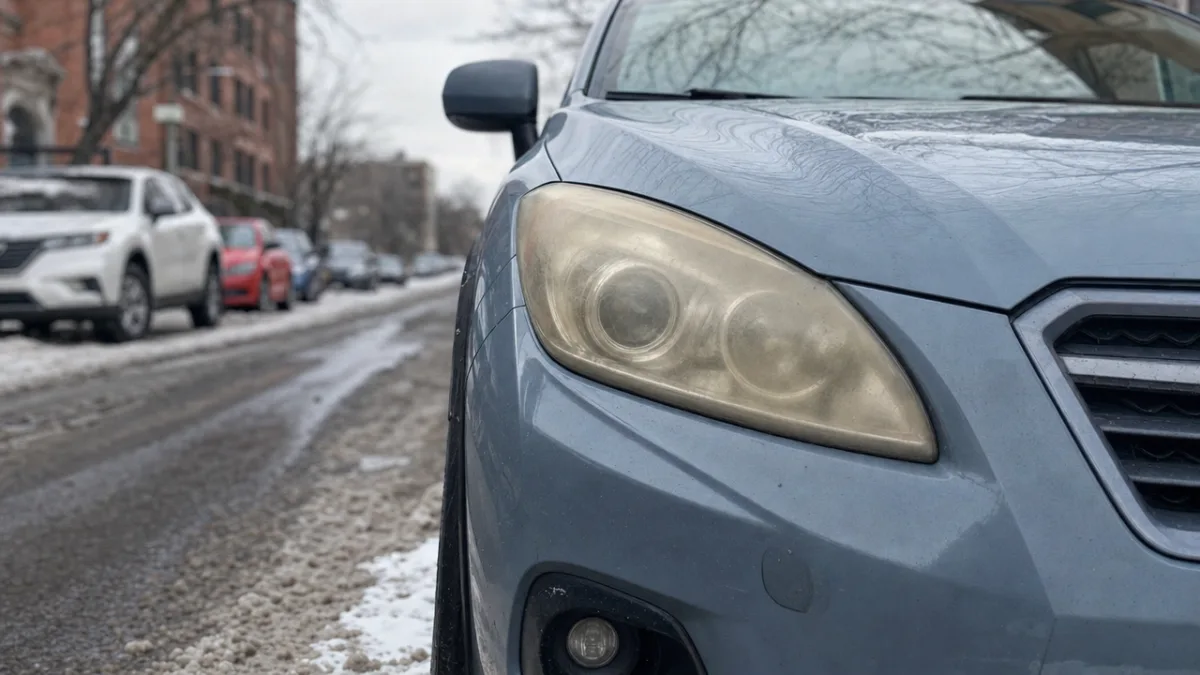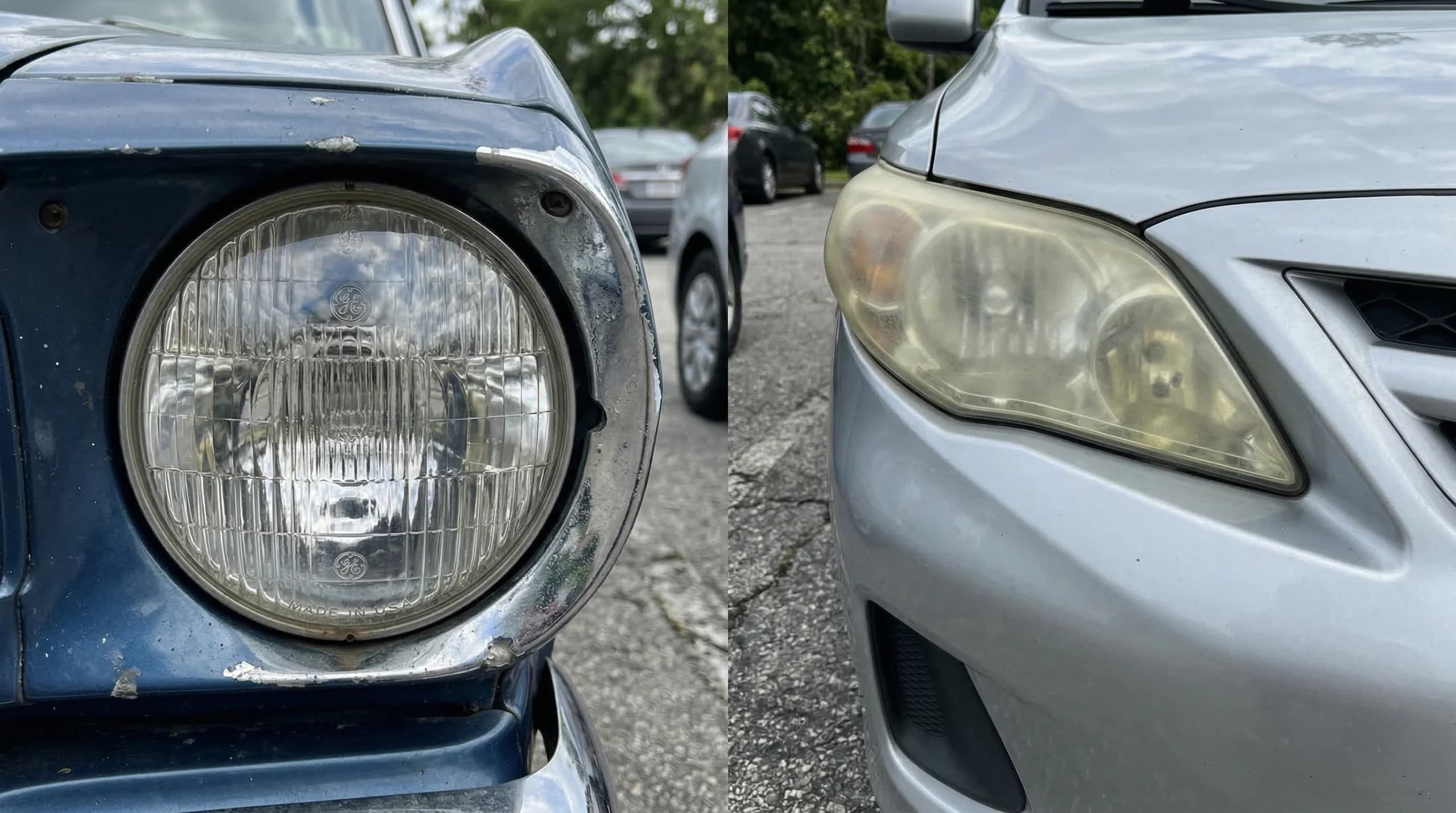
If you've ever looked at an old car from the '80s or '90s, you might have noticed something odd: its glass headlights are still clear. Meanwhile, your 2019 car has yellowed headlights. It's frustrating, but there's actually a reason for it.
Glass vs. polycarbonate: two materials, two different stories
Until the mid-1990s, headlights were made from glass. Glass is naturally resistant to UV rays. Sure, it gets dirty, but it doesn't yellow. It can stay transparent for 20, 30 years without issue. That's why older cars often have headlights that still look decent.
The problem with glass is that it's heavy and fragile. A rock on the highway could smash a headlight completely. Not ideal. So manufacturers switched to polycarbonate in the 2000s. It's a lightweight plastic that resists impacts and allows for more complex aerodynamic shapes. It seemed like a win all around. Except for one major flaw.
The Achilles' heel of polycarbonate
Polycarbonate reacts chemically to the sun's ultraviolet rays. When UV light hits the plastic surface, it breaks the molecular bonds in the outer layer. The plastic gradually becomes cloudy and takes on a yellow tint. Without some kind of intervention, that process doesn't reverse.
Manufacturers know this. That's why they apply a protective UV-resistant coating at the factory when the vehicle is brand new. The problem is that this coating also breaks down over time, with sun exposure and the elements. After 3 to 5 years, it starts to fail. Then the bare plastic is exposed directly to UV rays.
In Quebec, road salt, abrasives, and temperature swings speed up the wear on this protective layer. We have a full article on the causes of headlight yellowing if you want to dig deeper.
So why don't we just go back to glass?
Good question. The short answer: safety standards and design. North American regulations favor headlights that absorb impacts rather than ones that shatter into pieces. Polycarbonate does that really well. Glass doesn't.
There's also the weight issue. On a modern vehicle, every gram counts for fuel efficiency. Glass headlights weigh significantly more than plastic ones. Plus, designers want shapes that are simply impossible to achieve in glass. Polycarbonate is here to stay.
The solution: protect what you have
Since we're stuck with polycarbonate, the best strategy is to protect it properly. A ceramic or UV-resistant coating applied after restoration does essentially the same job as the factory layer, but it lasts longer.
It's a bit like sunscreen. The sun is always going to be there. You can't change that. But you can put a barrier between the UV rays and the surface you want to protect. We discuss this protection in detail in our article on ceramic coating for headlights.
If your headlights are already yellowed, professional restoration removes the oxidized layer and starts fresh with a new protective coating. Check out our rates at pharesautomobile.ca to see your options.