The problem you don't see coming
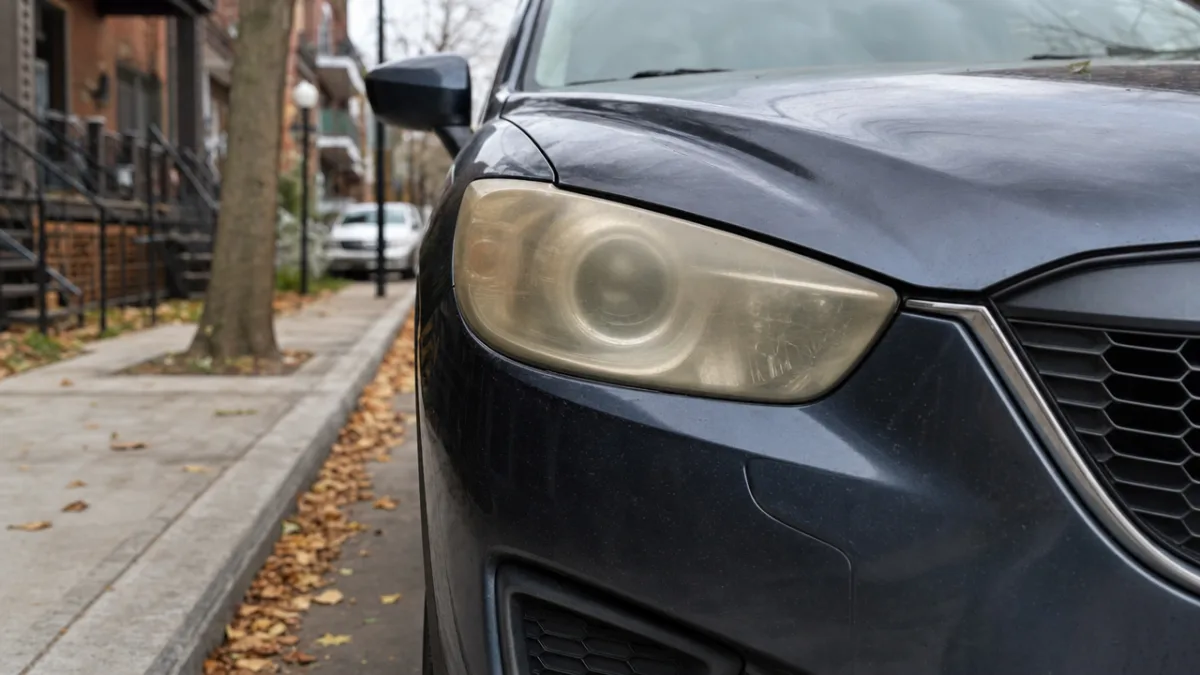
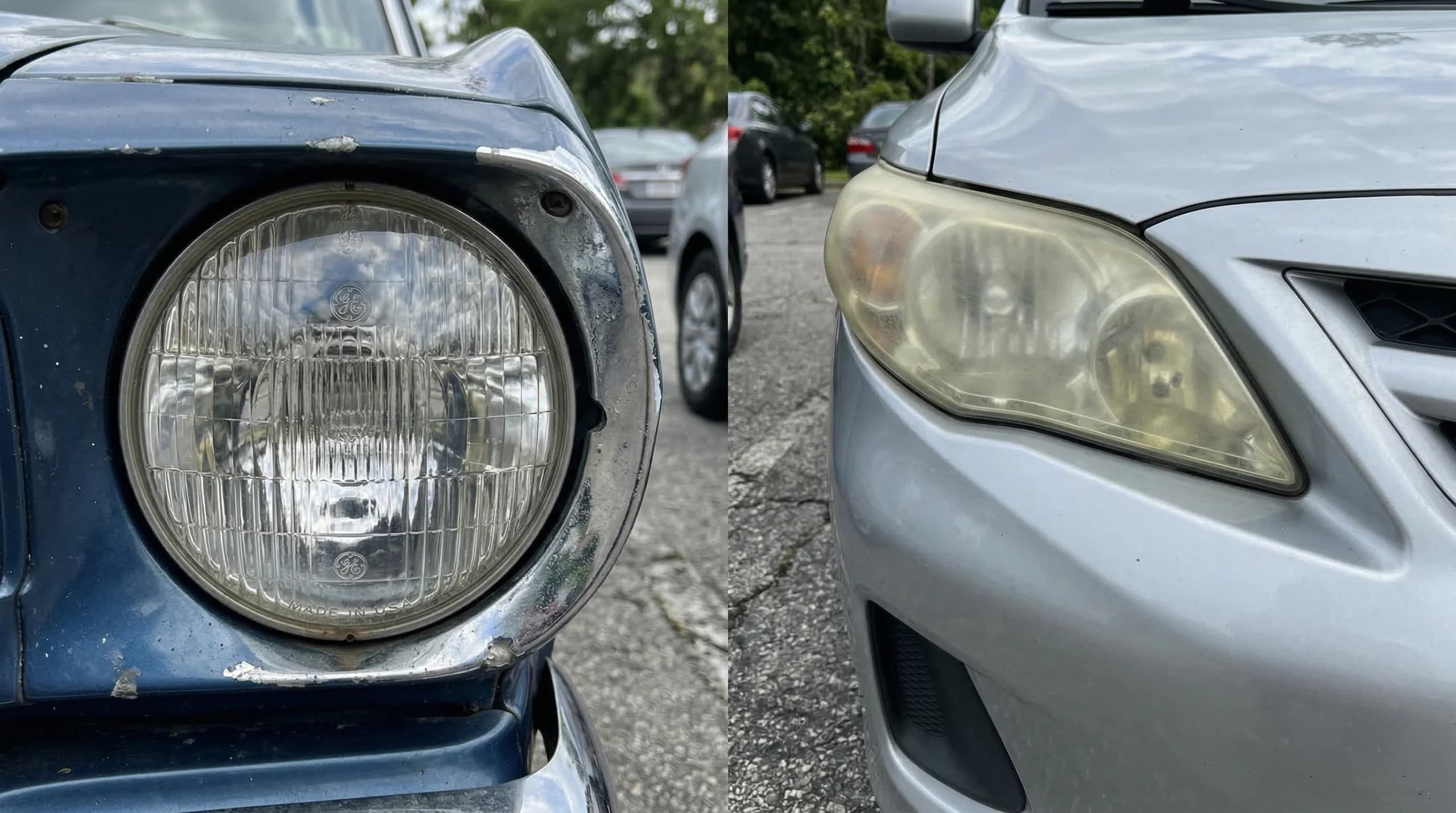
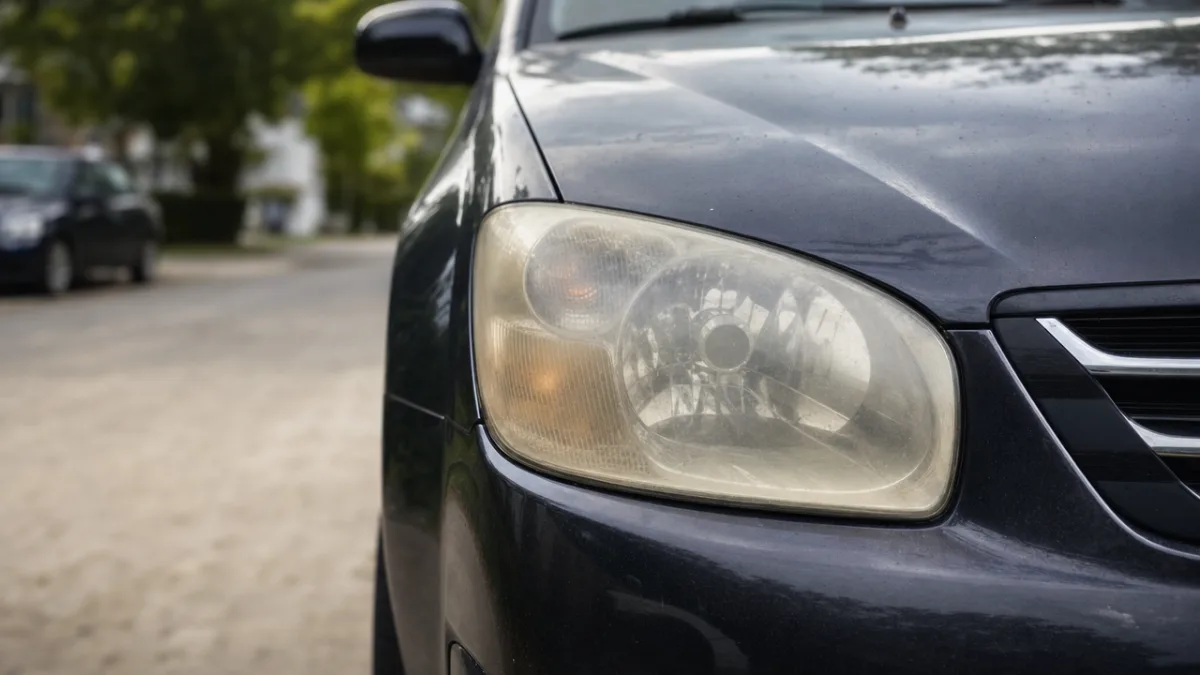
When people think about cloudy or yellowed headlights, appearance is usually the concern. The car looks older, a bit tired. But there's a more serious issue most drivers miss: your ability to spot a pedestrian in time to stop.
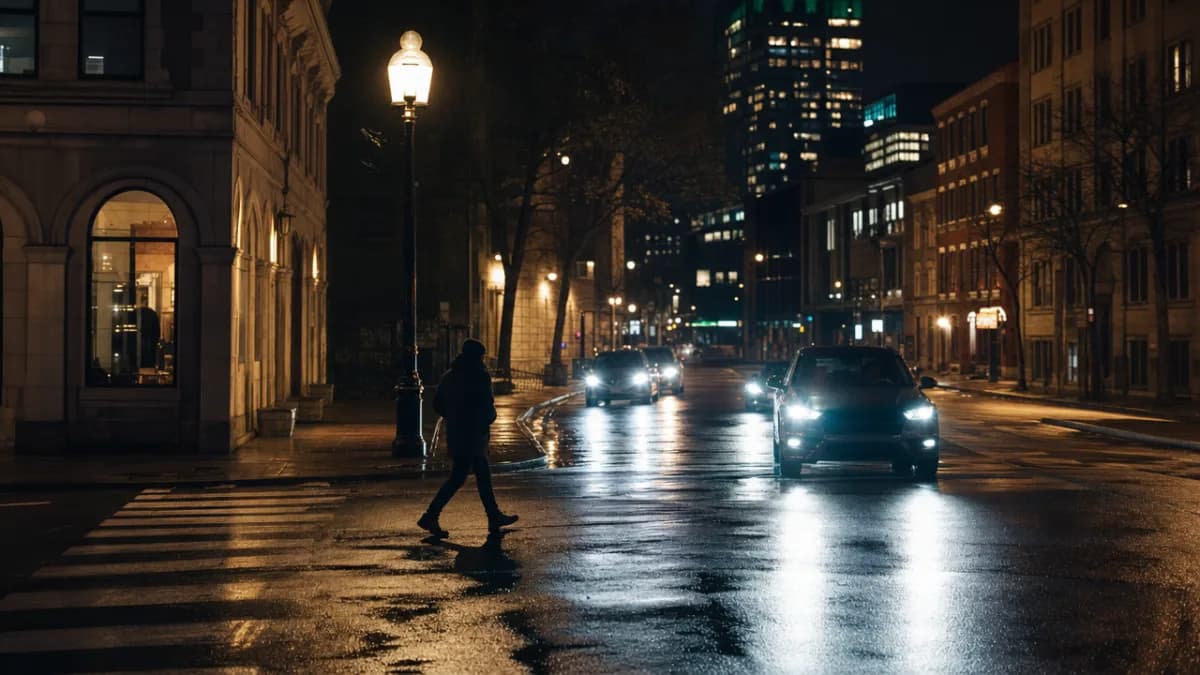
In the city, things happen fast. A kid darting out between parked cars. A pedestrian in dark clothes on a November evening. An unmarked crosswalk at the end of a back alley. In those moments, every meter of visibility matters. If your headlights are putting out 40% less light than they should, you lose reaction distance you can't afford to lose.
What cloudy headlights actually do to your lighting range
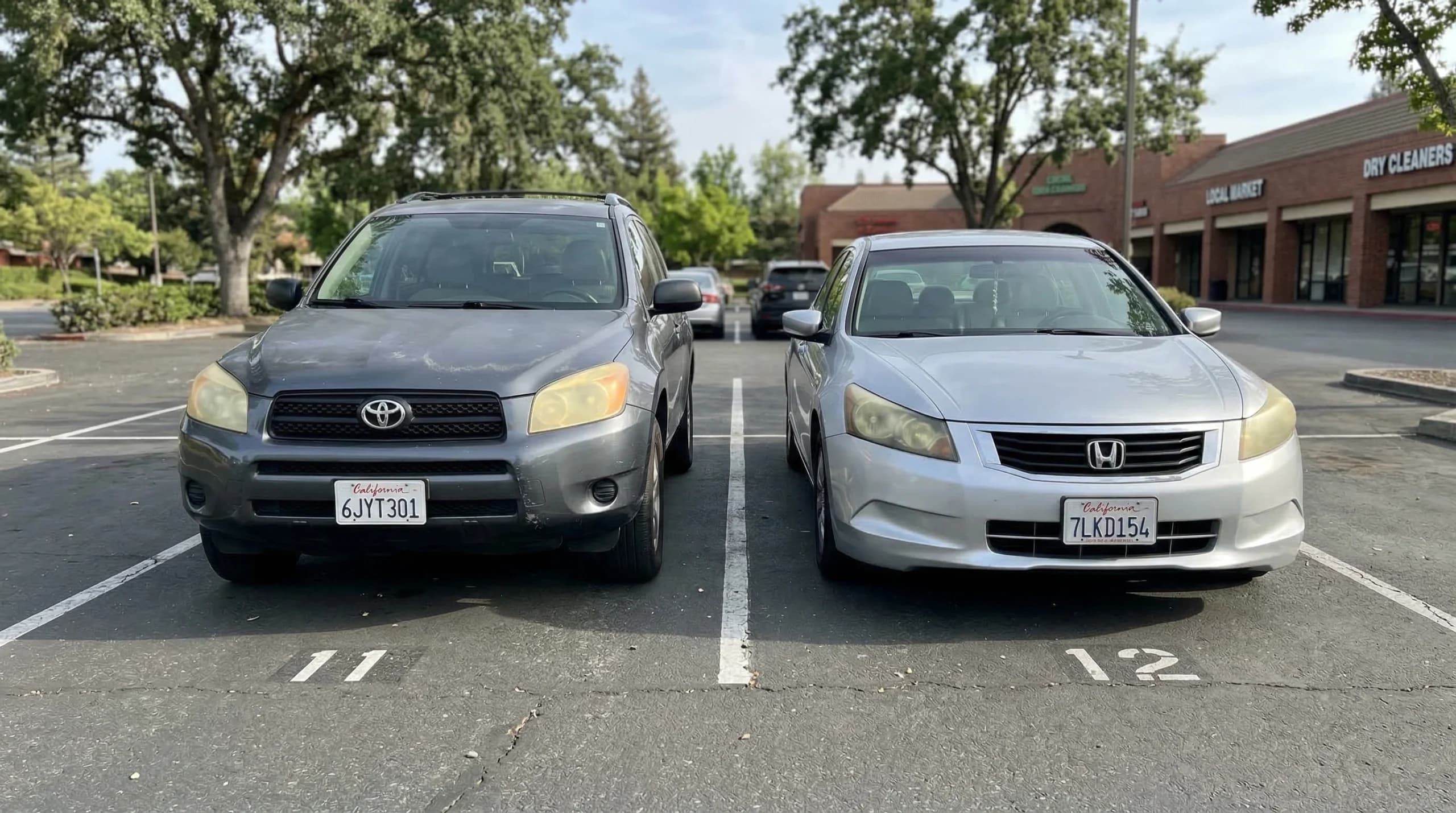
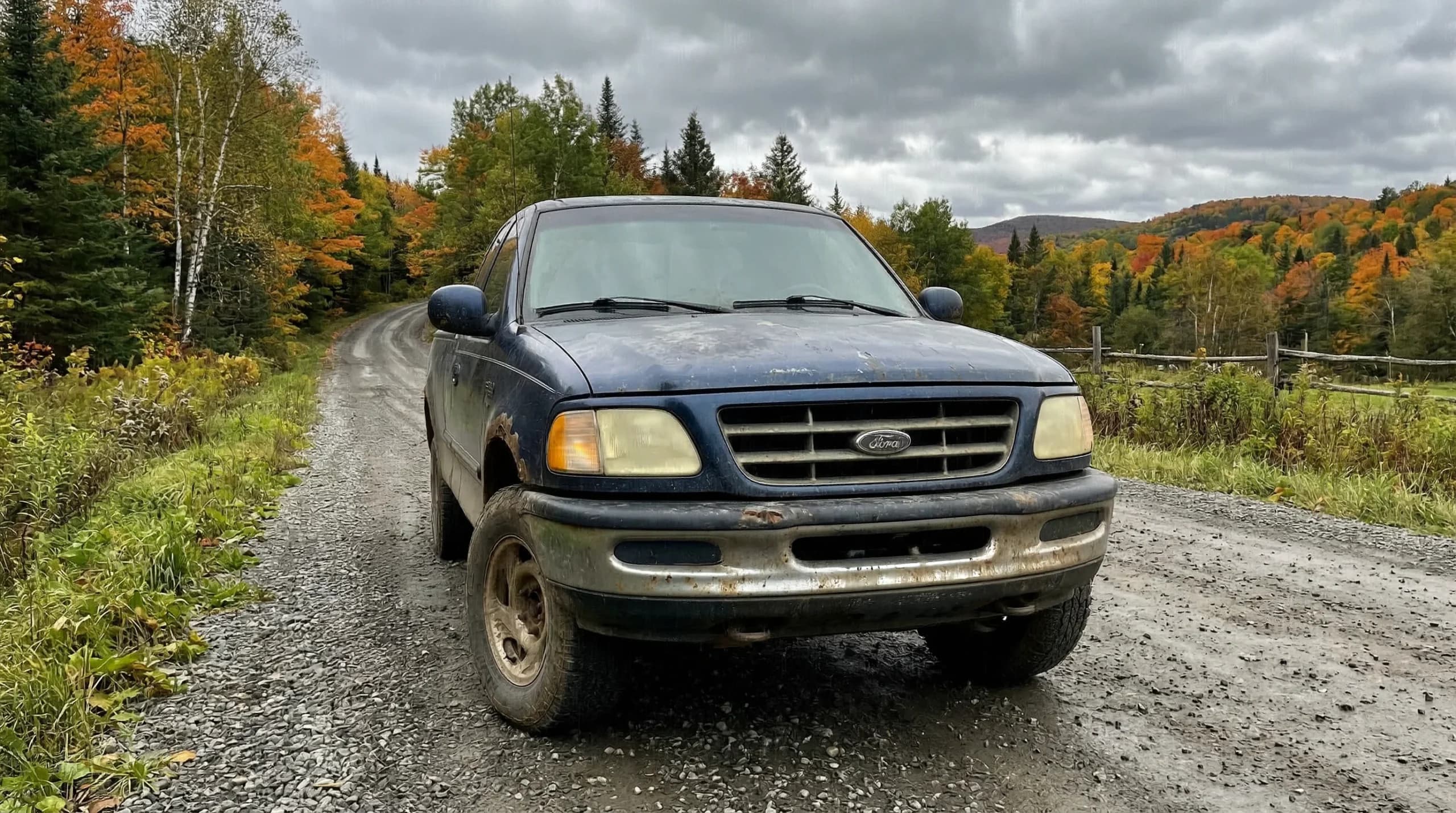
A new headlight projects light at a certain distance and with a certain intensity. When polycarbonate degrades, which happens on nearly every vehicle after a few years, the protective coating oxidizes, turns hazy, and scatters light instead of directing it.
You're no longer lighting up the road ahead. You're casting light in all directions with little control. At 50 km/h in the city, spotting a pedestrian at 20 meters instead of 35 means you don't have the stopping distance you need.
We've covered these numbers in detail in the article Clear Headlights vs. Cloudy Headlights: Lighting Distance Test, and the results are worth reading even if your headlights just look "a bit yellowed."
Montreal and the conditions that make things worse
Quebec's winters make everything harder. In December, it's dark by 4:30 p.m. Drivers here spend far more hours driving at night than people in most other parts of Canada. And in older neighborhoods like Rosemont, Verdun, or Côte-des-Neiges, municipal street lighting has gaps.
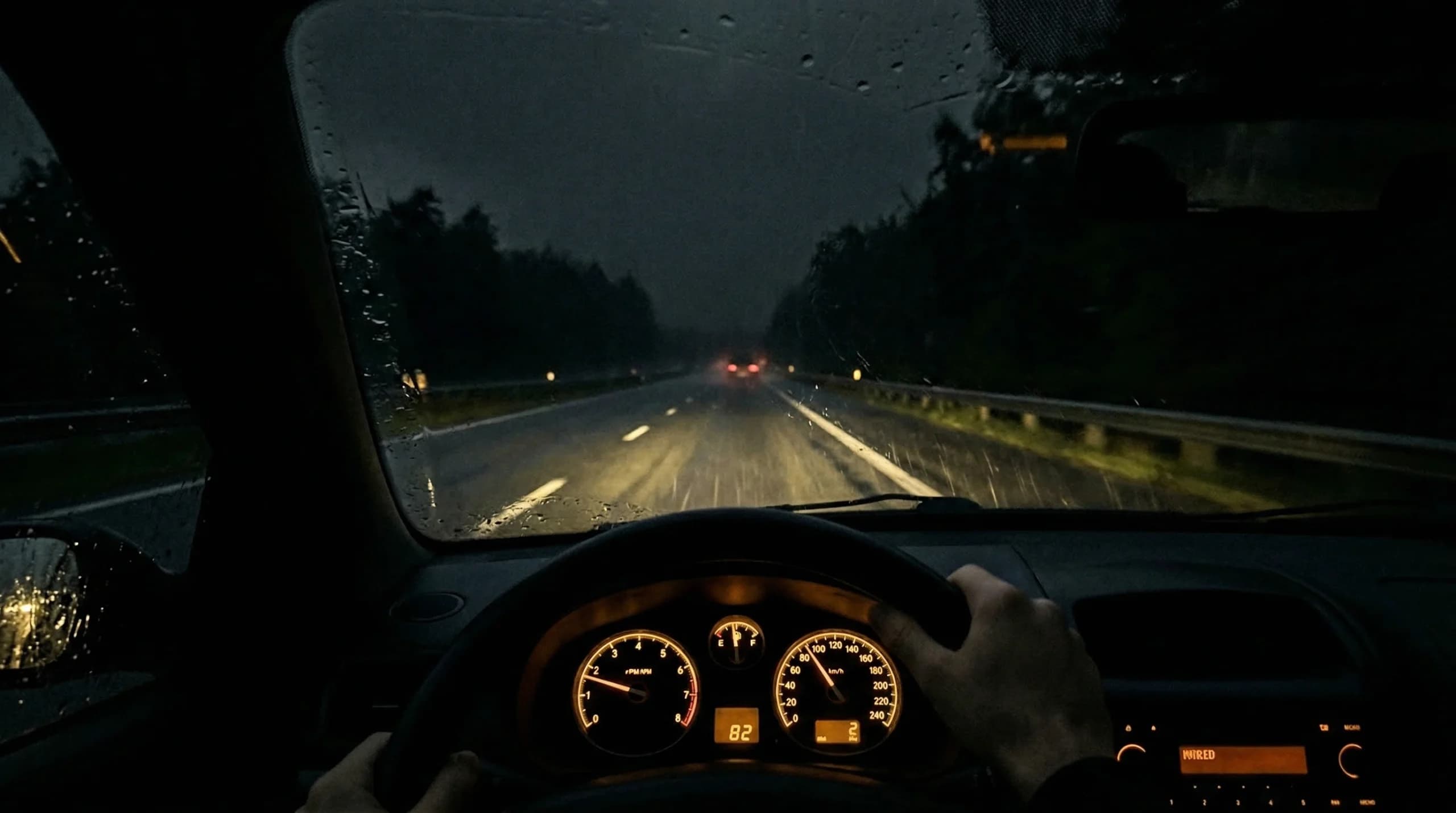
Add November rain, March slush, and construction zones blocking the lights overhead, and your headlights stop being a supplement to street lighting. They become your main detection tool.
Mid-block crossings without traffic signals are where this gets most dangerous. You're supposed to see someone waiting at the curb and slow down. With headlights that scatter instead of project, that's a lot harder to do.
Eye strain: the side effect nobody talks about
There's another cost that rarely comes up: fatigue. When your lighting is weak, your brain picks up the slack. You squint, scan more carefully, stay tense. After an hour of city driving at night with yellowed headlights, you're more worn out than you'd be with headlights that actually work.
Tired reflexes are slower reflexes. In the city, where things change by the second, that gap matters.
The article Cloudy Headlights and Road Safety: Risks You Might Not Know About goes deeper on this, because the consequences reach further than most drivers expect.
Is it worth acting if your headlights just look a little dull?
A lot of drivers ask themselves this. The headlights aren't terrible. You've gotten used to them.
That's exactly the problem. The deterioration is gradual. You lose 5% of brightness a year, your brain adjusts each time, and you never get the side-by-side comparison that would make the difference obvious.
Professional restoration brings your headlights back close to their original clarity. On a car that's a few years old, the change can be significant, and not just in how the car looks. The beam becomes directional and focused again.
If you're not sure whether your headlights need work, 5 Signs It's Time to Restore Your Headlights gives you a clear checklist to figure it out yourself.
What we do at Phares Auto Mobile
We come to you, at home or at the office, and restore your headlights on site. No time off, no dropping your car at a garage. The treatment takes about an hour, and with the right sealant applied, the results hold.
If you drive in the city at night and your headlights are a few years old, it's worth getting them looked at. Book an appointment at pharesautomobile.ca and we'll handle it from there.