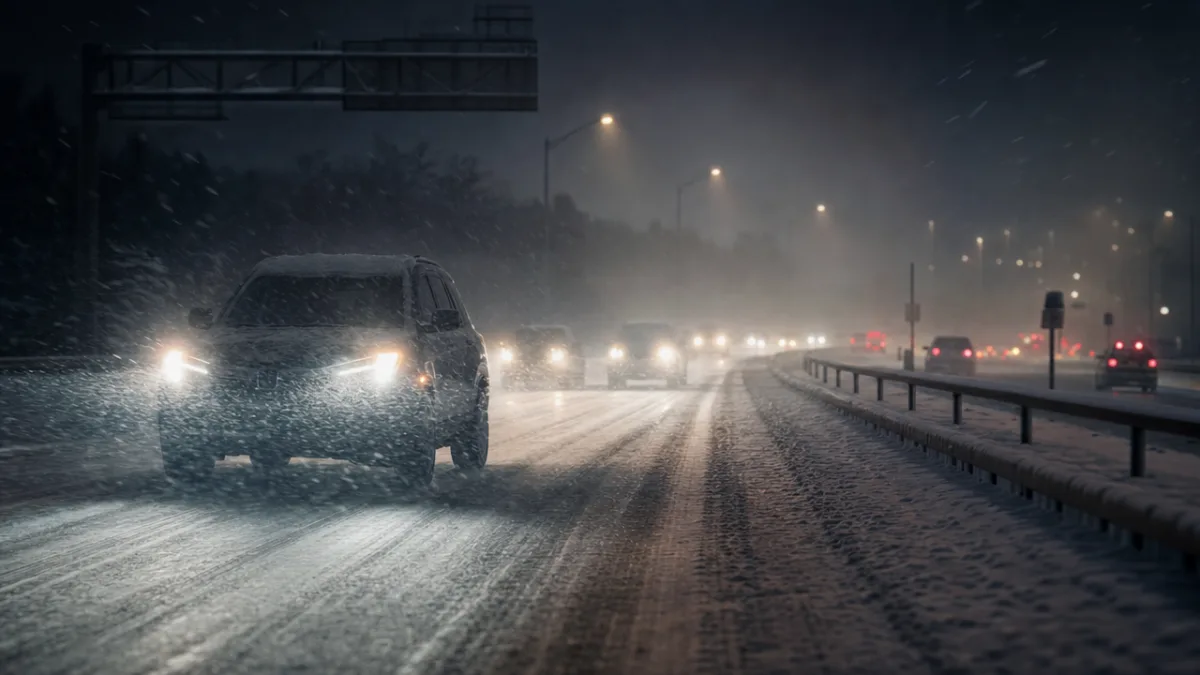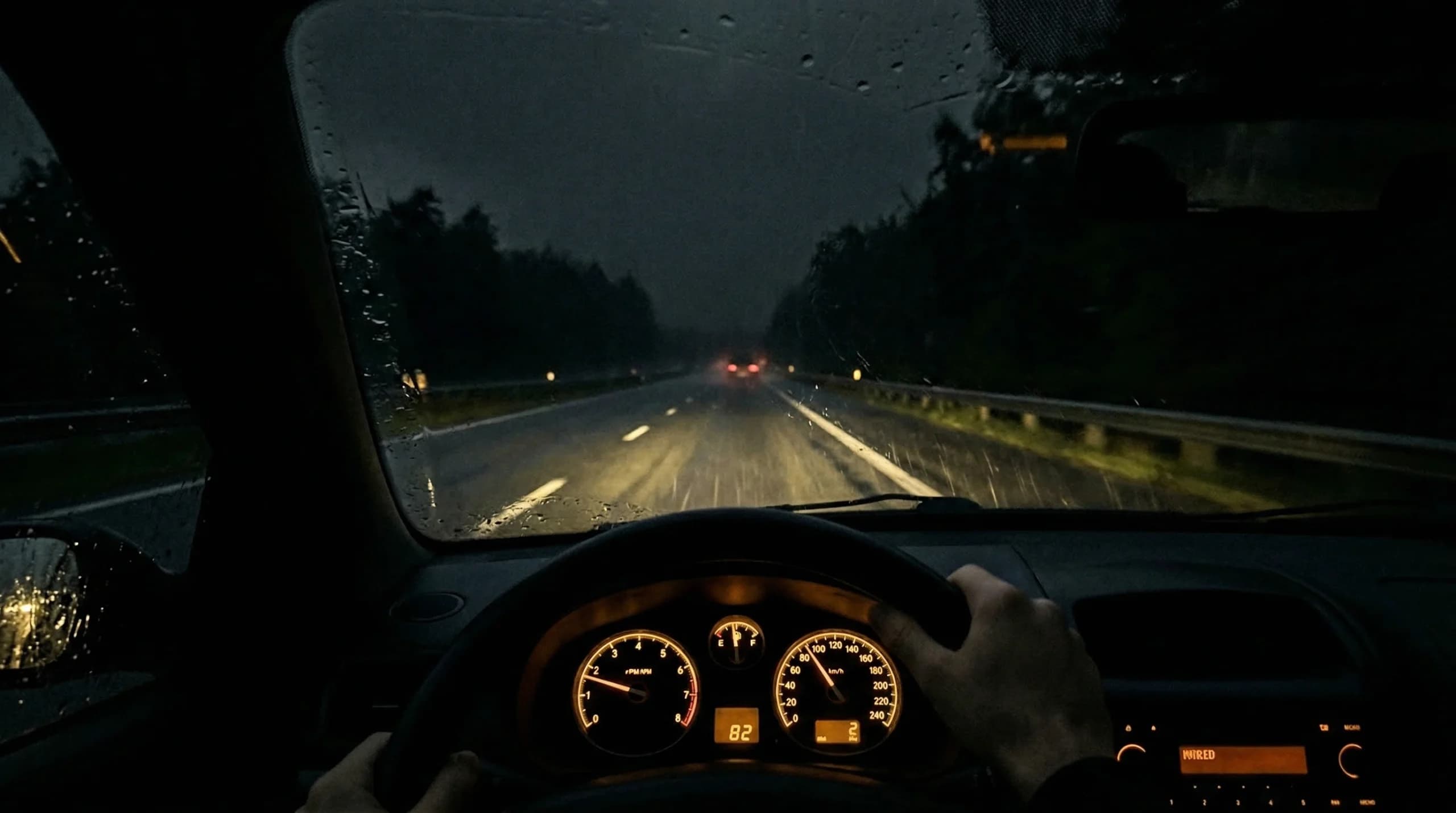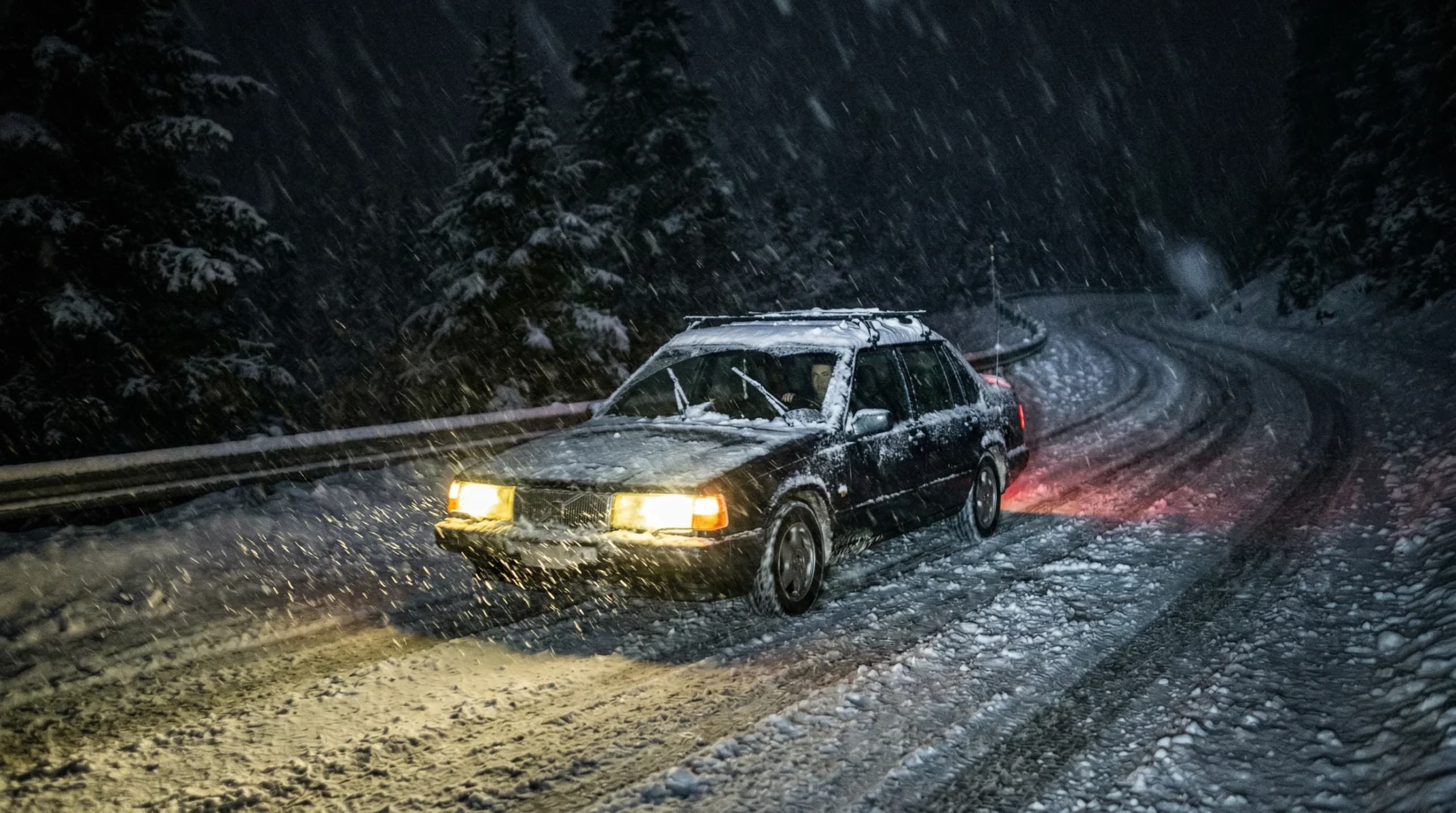
Country roads are a different beast than the highway
On Highway 20 or the 40, there are street lights in plenty of spots, well-painted lines, and usually enough traffic that other cars' headlights help fill the gaps. It's not ideal with cloudy headlights, but you still have reference points.
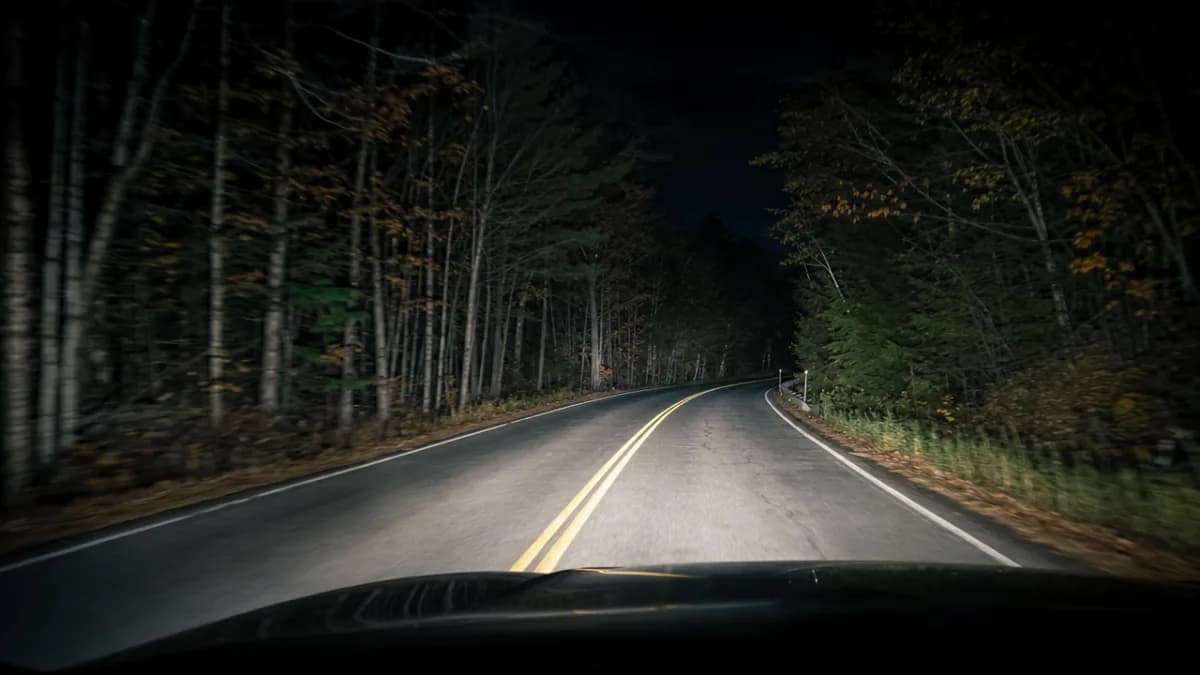
On a back road in Montérégie, Mauricie, or Lanaudière at 10 p.m., none of that applies. No street lighting. Pavement that's often uneven. Curves that come up fast. Wildlife crossing without warning. In that situation, whatever your headlights put out is all you have to work with.
That's why drivers who regularly travel rural roads, or who commute between the city and the cottage, have a real reason to keep their headlights in good condition. It's not about looks. It's about what you can actually see at 80 km/h in the dark.
What cloudy headlights actually do to your vision
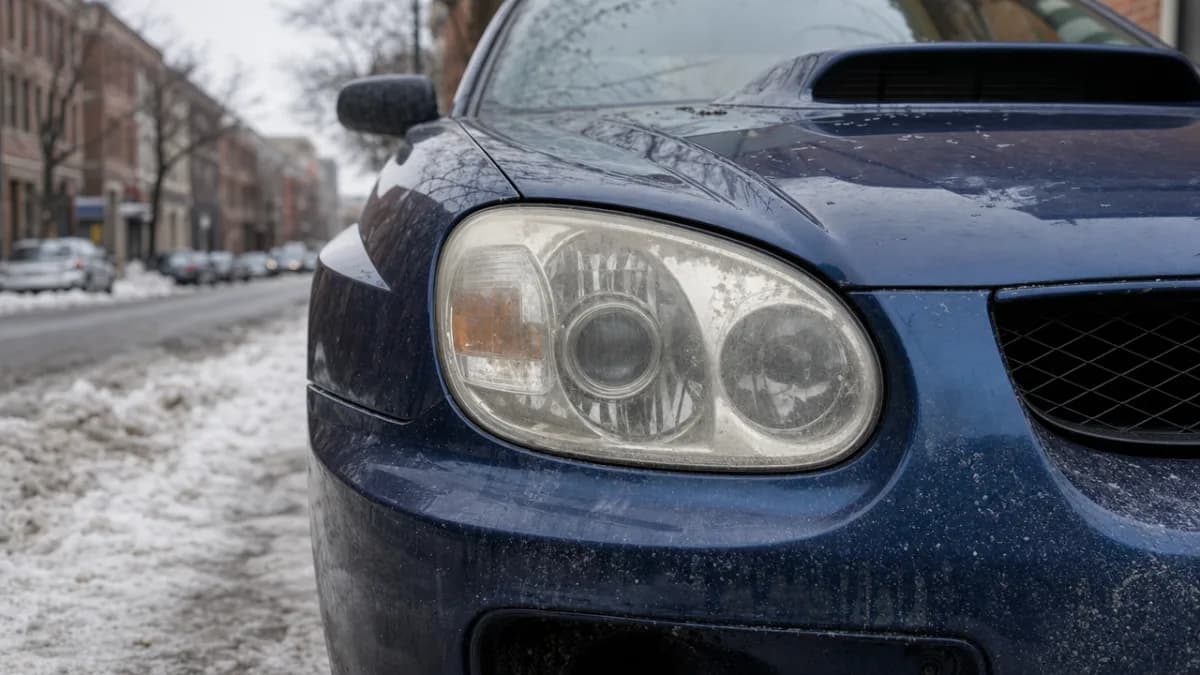
A yellowed or hazy headlight doesn't just trim the light a little. Depending on how bad the cloudiness is, the loss of brightness can exceed 50%. The light that should reach 60 or 70 meters ahead of you ends up scattered and diffused, like you're looking through frosted glass.
At 90 km/h, your braking distance to a complete stop easily tops 50 meters in good conditions. If you spot a deer at the roadside 30 meters ahead because your lighting range is cut in half, you've got almost no margin left. That's not alarmism. It's just math.
As we break down in the article Clear Headlights vs. Cloudy Headlights: Lighting Distance Test, the difference between clean headlights and yellowed ones comes down to tens of meters of visibility. In the city, it's less noticeable. On a dark country road in the middle of nowhere, it matters a lot.
Wildlife, unmarked curves, and other rural hazards
Quebec has a deer and moose population density that makes animal-vehicle collisions fairly common, especially at dawn and dusk. Throughout the night, in any season, animals cross roads too. A moose on a back road towers over an SUV's hood. Spotting it in time depends directly on how far your headlights reach.
Add in unmarked curves, gravel road exits, cyclists with no lights, and ditches right next to the pavement with no guardrail. Your margin for error is slim, and the condition of your headlights plays a direct role in whether you see those things in time.
The article Driving at Night with Cloudy Headlights: Numbers That Make You Think puts that into concrete terms. It's a short read with actual numbers if you want something more than a general argument.
When to know your headlights need attention
Don't wait until your headlights look like flashlights covered in Vaseline. The signs are often more subtle: a slight yellowish tint, a halo around the beam at night, or a feeling that your headlights aren't reaching as far as they used to for no obvious reason.
If you drive often on unlit roads, that threshold is lower than it is for someone who only drives on suburban streets. The article 5 Signs It's Time to Get Your Headlights Restored can help you figure out where you stand.
Mobile restoration, even if you're far from the big city
One thing rural drivers mention sometimes is access to services. Nobody wants to drive 45 minutes into the city just to get headlights fixed. Fair point.
That's why Phares Auto Mobile comes to you. The technician comes to your home or office, and the restoration is done on-site in under an hour in most cases. No travel, no clearing half your day. It's a practical answer to the logistics problem a lot of rural drivers run into with this kind of service.
If you want to know more about how it works, check out the page Mobile Headlight Restoration Service: How It Works before you decide.
To book an appointment or get a price estimate, head over to pharesautomobile.ca. Straightforward, no strings attached.