What makes highways 20 and 40 different
A lot of Montreal drivers hit the highway almost every day without thinking much about it. But when you're driving at night between Montreal and Drummondville on the 20, or heading toward Dorval or Laval on the 40, you notice pretty quickly that it's not the same as city driving. Street lighting disappears across entire stretches. Exits are spaced far apart. And in winter, blowing snow can cut your visibility to just a few dozen meters in under a minute.
That kind of environment puts serious stress on your headlights. And if your headlights are already yellowed or cloudy, your safety margin shrinks fast.
Street lighting: present in some spots, absent in most
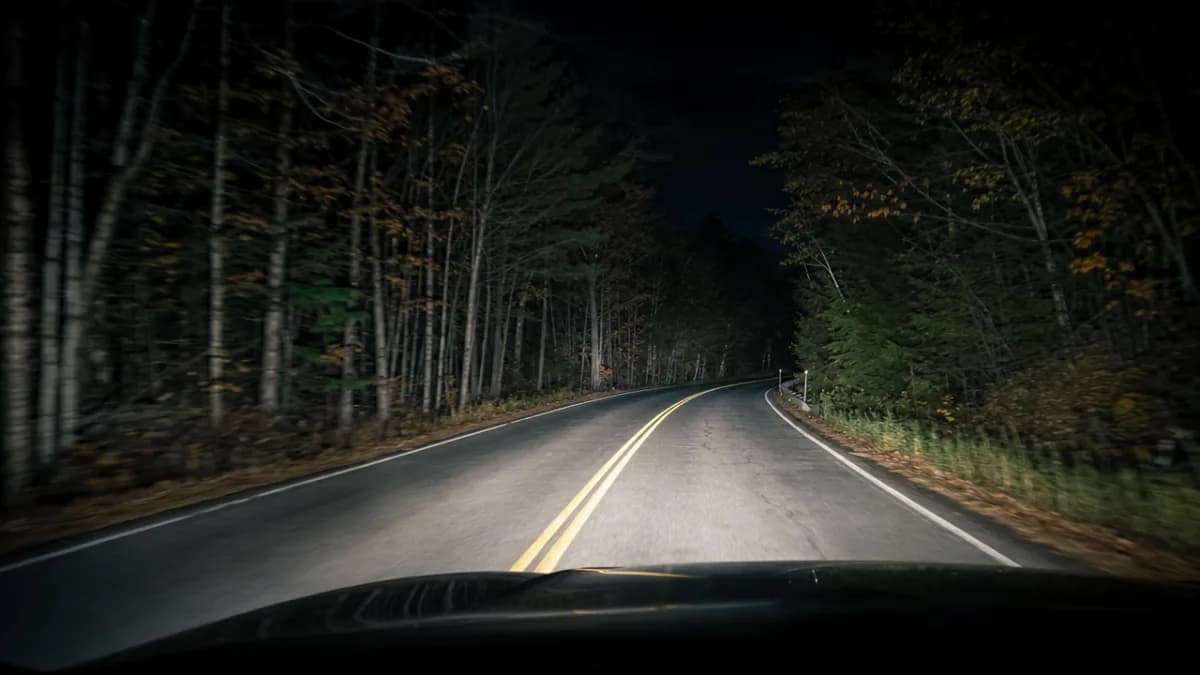
Contrary to what people sometimes assume, highways 20 and 40 aren't lit end-to-end. The urban areas around Montreal have street lamps, but once you leave the island or get past the inner ring, lighting becomes sparse. You can go from a well-lit section to a completely dark stretch in just a few seconds.
That sudden shift takes a moment for your eyes to adjust. While that's happening, your headlights are doing all the work. If their range is cut short by degraded plastic, you're driving partially blind without even realizing it.
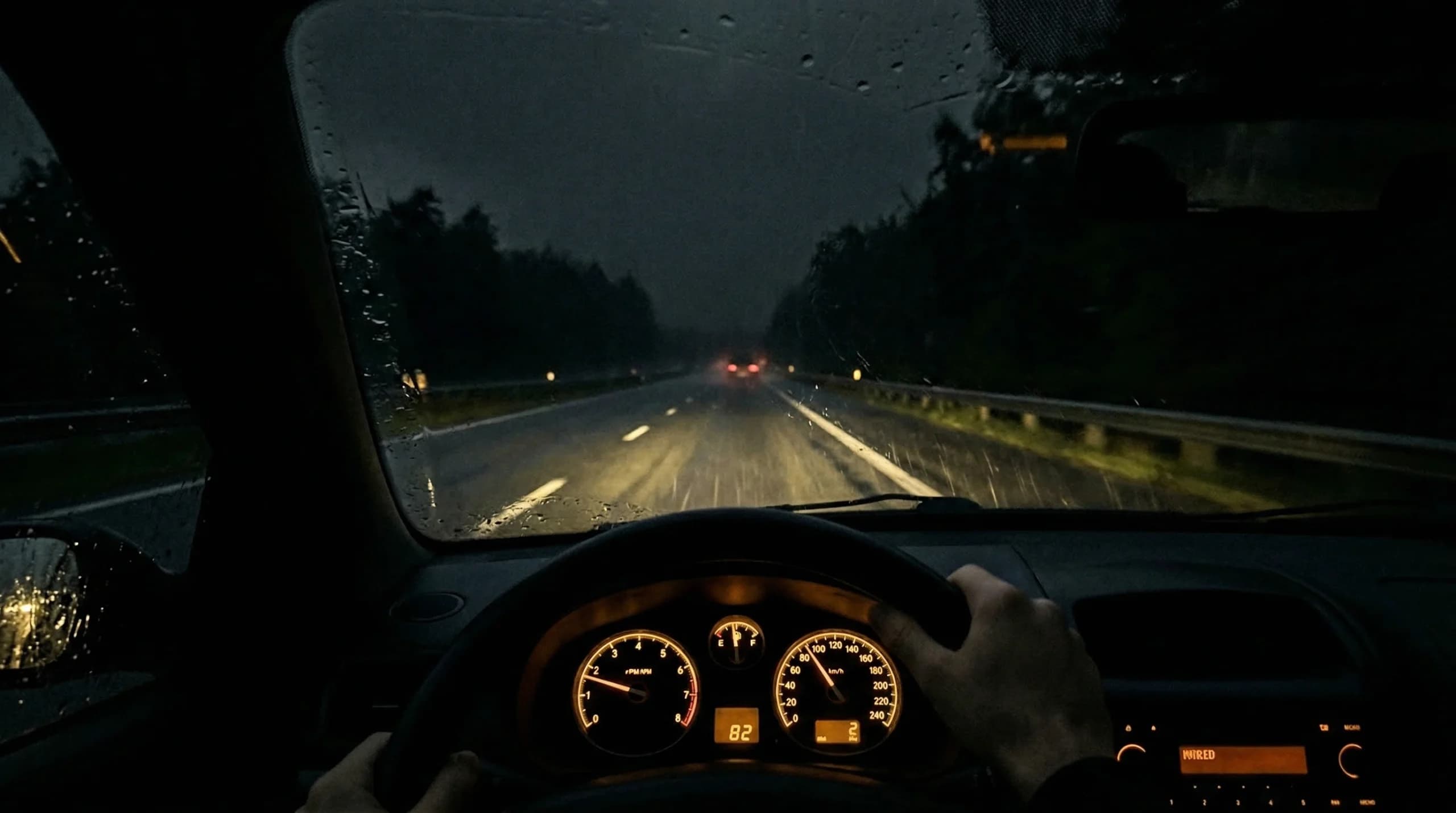
That's exactly what the data shows in driving at night with cloudy headlights: the numbers that make you think: the loss of range can reach 60 to 80% on severely yellowed headlights. On a highway with no lighting at 100 km/h, that leaves very little reaction time.
Blowing snow: an underestimated factor
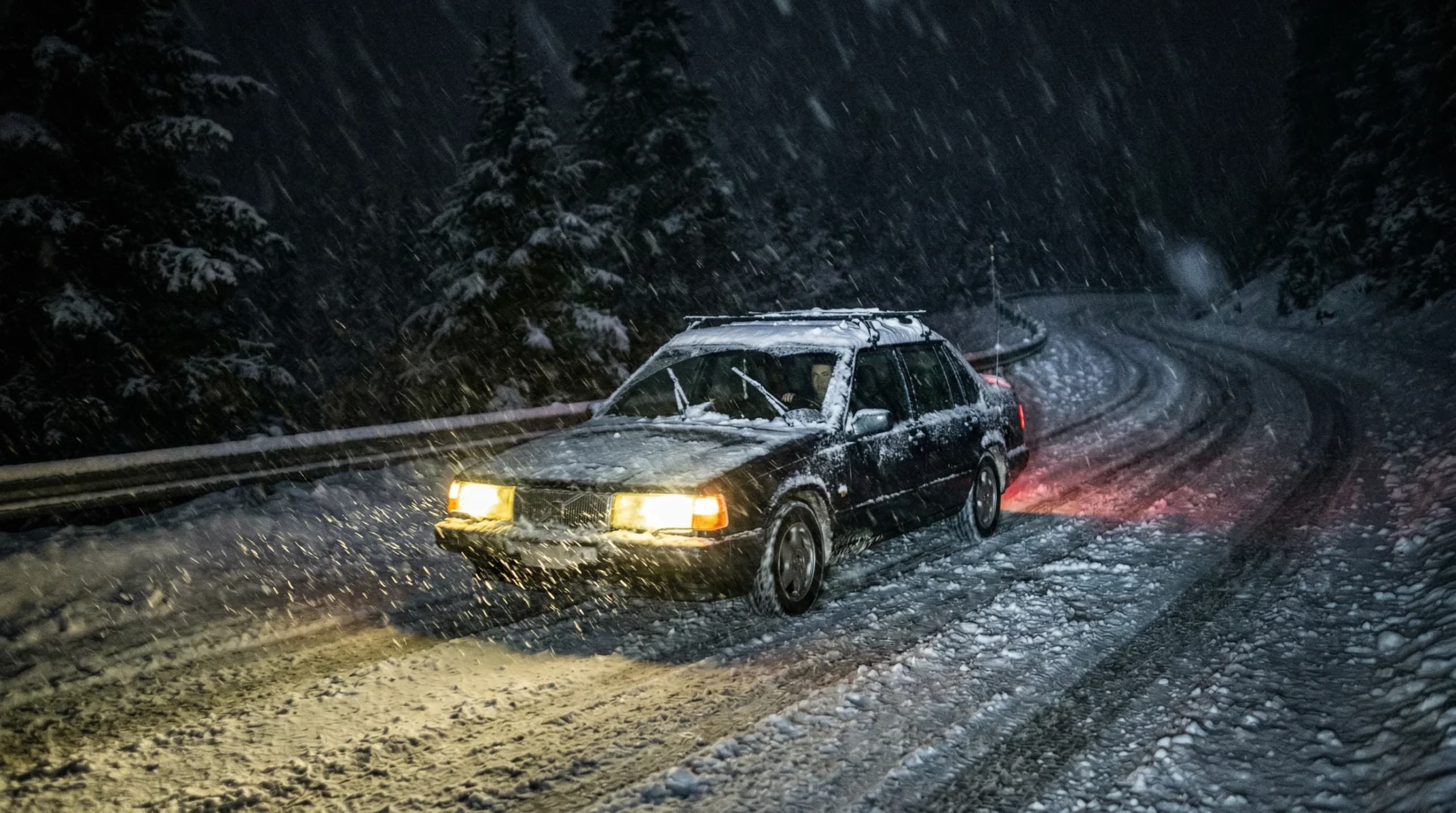
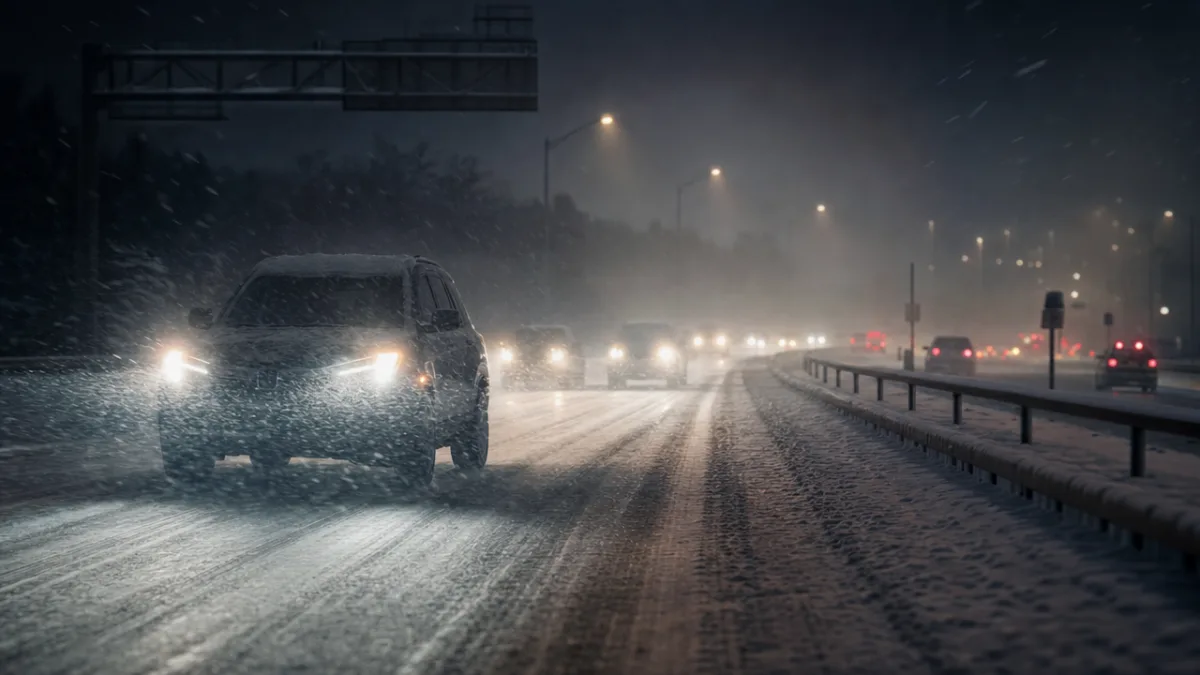
Wind on highways 20 and 40, particularly in the agricultural areas west of Montreal or between open interchanges, is a real problem in winter. Blowing snow cuts visibility in unpredictable ways. It can drop to nearly zero in sudden gusts, then stabilize a minute later.
In those conditions, headlights in good shape beam light onto the road surface in a concentrated way. Cloudy headlights scatter light in every direction except where you need it. You light up the sky and the sides of the road, but not what's in front of you. Blowing snow amplifies this because the snow particles reflect that scattered light back toward you, creating internal glare that makes things even worse.
As we cover in cloudy headlights and winter driving: the dangerous combo, it's not just about driving comfort. It's about actual stopping distance.
Distances between exits: you can't just pull off
In the city, if you feel less in control, you can lower your speed, turn right, pull over. On the 20 between Saint-Hyacinthe and Drummondville at night, your options are limited. Exits are separated by kilometers. The shoulder is narrow, often snowy, and stopping there carries its own risks.
So if your headlights are inadequate, you don't have a plan B once you're on the road. You manage with what you've got. That's why fixing the problem before you leave matters so much, not once you're already out there.
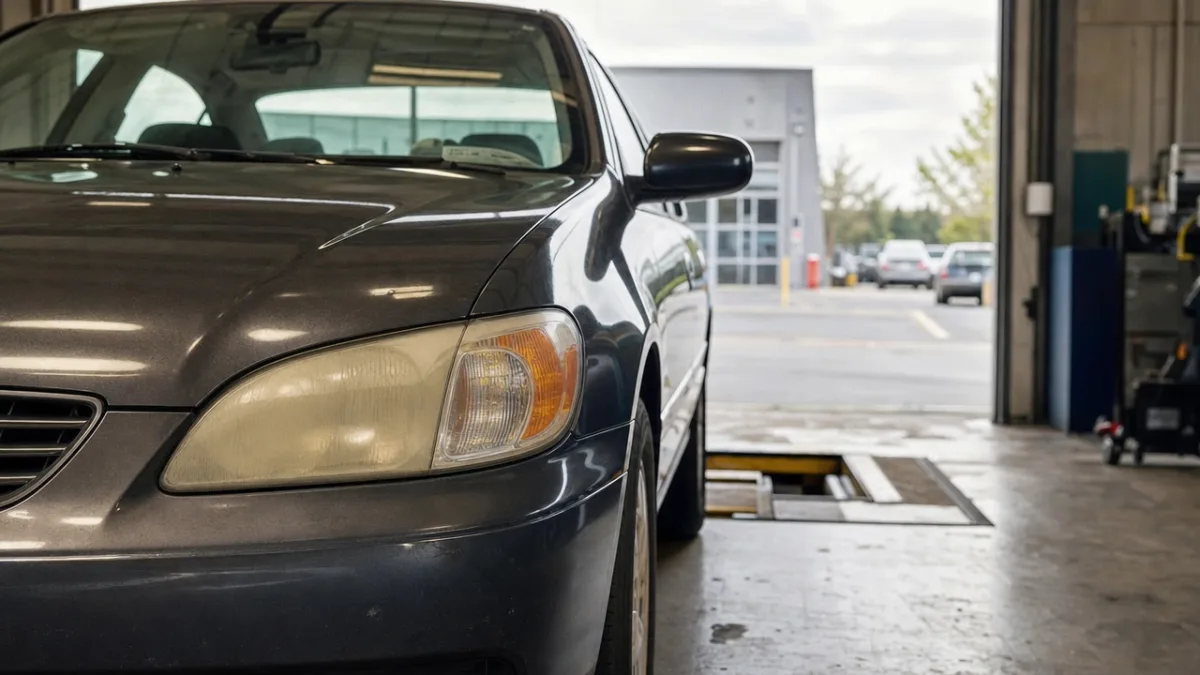
A professional restoration usually takes less than an hour and can be done at home or at your workplace. If you haven't looked into how it works yet, the article on the mobile headlight restoration service: how it works explains the process clearly.
What you can check yourself before a night drive
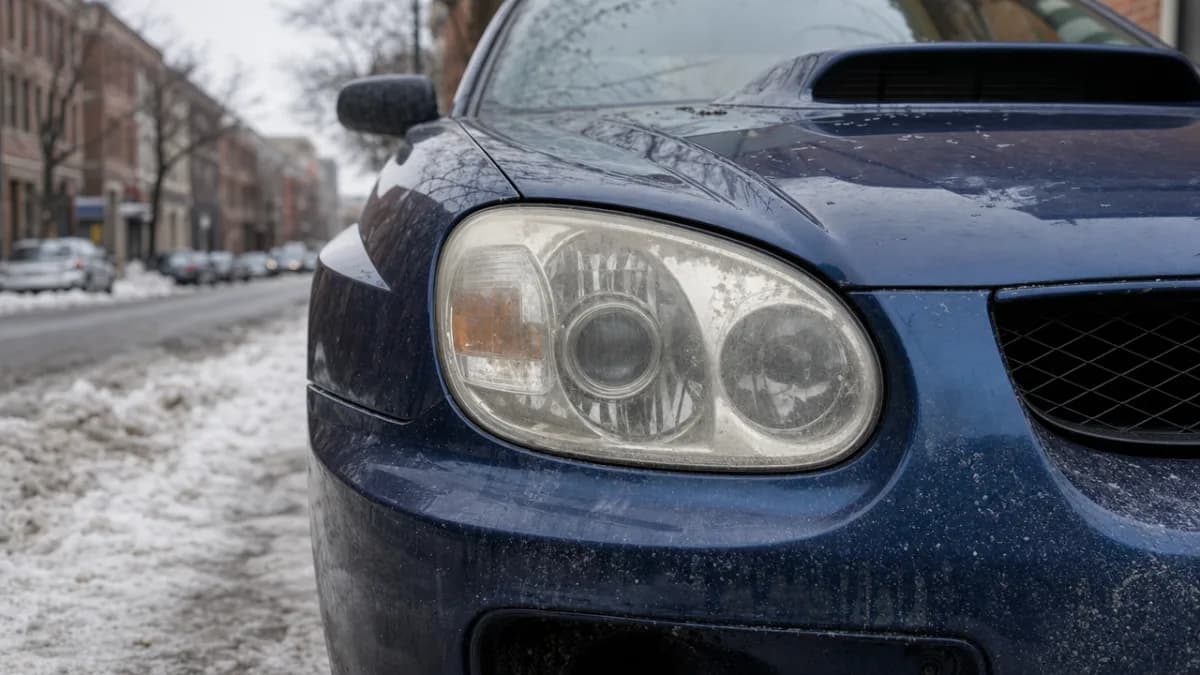
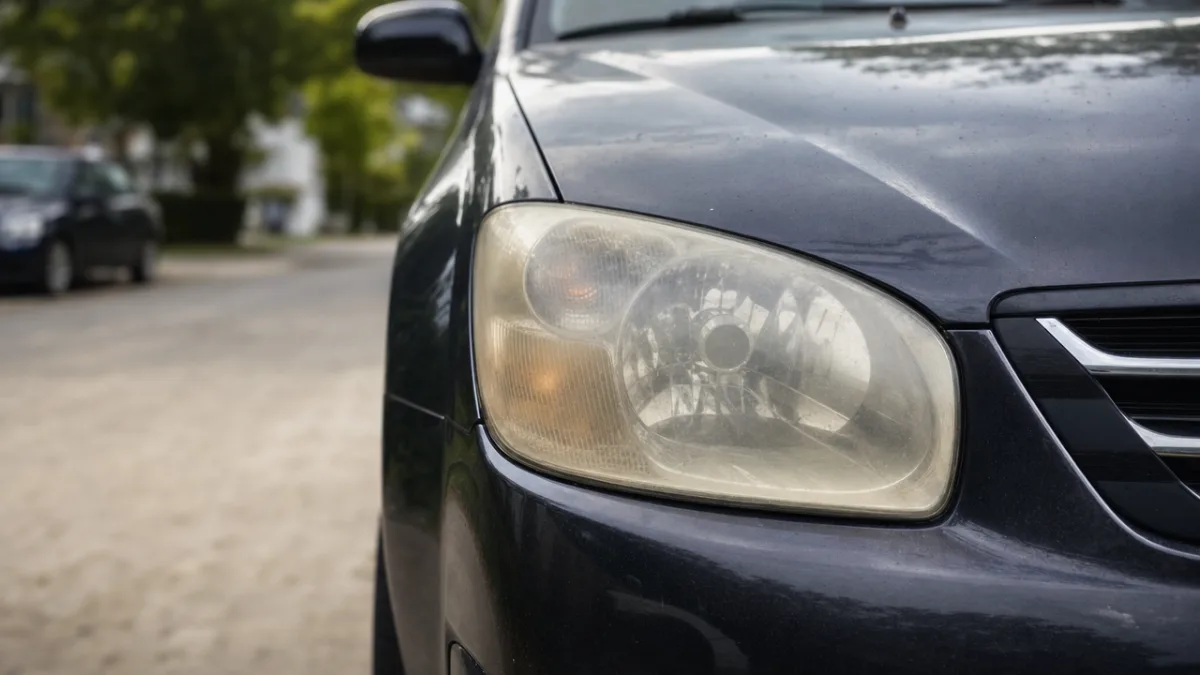
You don't need to be a mechanic to get a sense of your headlight condition. Stand in front of your car in a dark spot, turn on the headlights, and look at the tint and clarity of the lens. Noticeable yellowing, a surface that looks frosted or grainy up close, or light that seems weaker on one side than the other: those are signs something's off.
You can also check from the driver's seat. If the beam looks short, spread out, or dim instead of concentrated and white, the lens is blocking the light.
This isn't about spending money for no reason. If your headlights are in good shape, you'll see it. But if you have any doubt, Quebec winters aren't the time to let it slide.
Night driving on Quebec highways takes headlights that are up to it
Highways 20 and 40 don't forgive half-measures when conditions get rough. No lighting, blowing snow, long stretches without exits: all of it creates an environment where your headlights are your main safety tool. One that a lot of drivers neglect because the degradation happens slowly, with no obvious warning sign along the way.
If you want to make sure your headlights are ready for that kind of drive, book an appointment at pharesautomobile.ca. We come to you at home or at work, so you don't lose any time.