Popular SUVs, but not immune
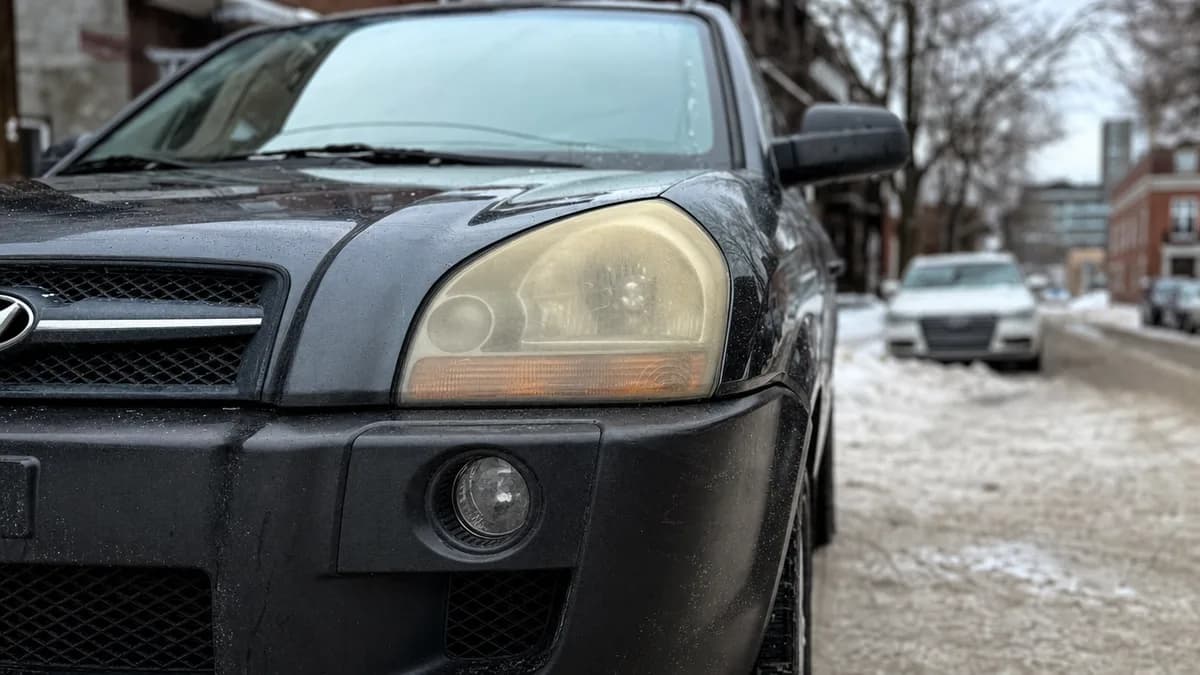
If you drive a Hyundai Tucson or Kia Sportage, you're in good company with a lot of Quebec drivers. These two models have been selling well here for years, and for good reason: they're reliable, practical, and well-equipped. But there's one detail many owners discover after two or three winters: the headlights yellow fast. Not because the vehicle is poorly maintained. It's a documented pattern on these models, with real explanations behind it.
It's not bad luck. It's a combination of factors: the headlight design, the materials used, and what Quebec's climate does to them every single day.
Why these models are more affected
The headlights on the Tucson and Sportage are made of polycarbonate, like almost all modern headlights. This plastic is lightweight, impact-resistant, and easy to mold into complex shapes. The problem is that it's sensitive to UV rays. The manufacturer applies a protective coating at the factory, but that coating breaks down over time, especially in harsh conditions.
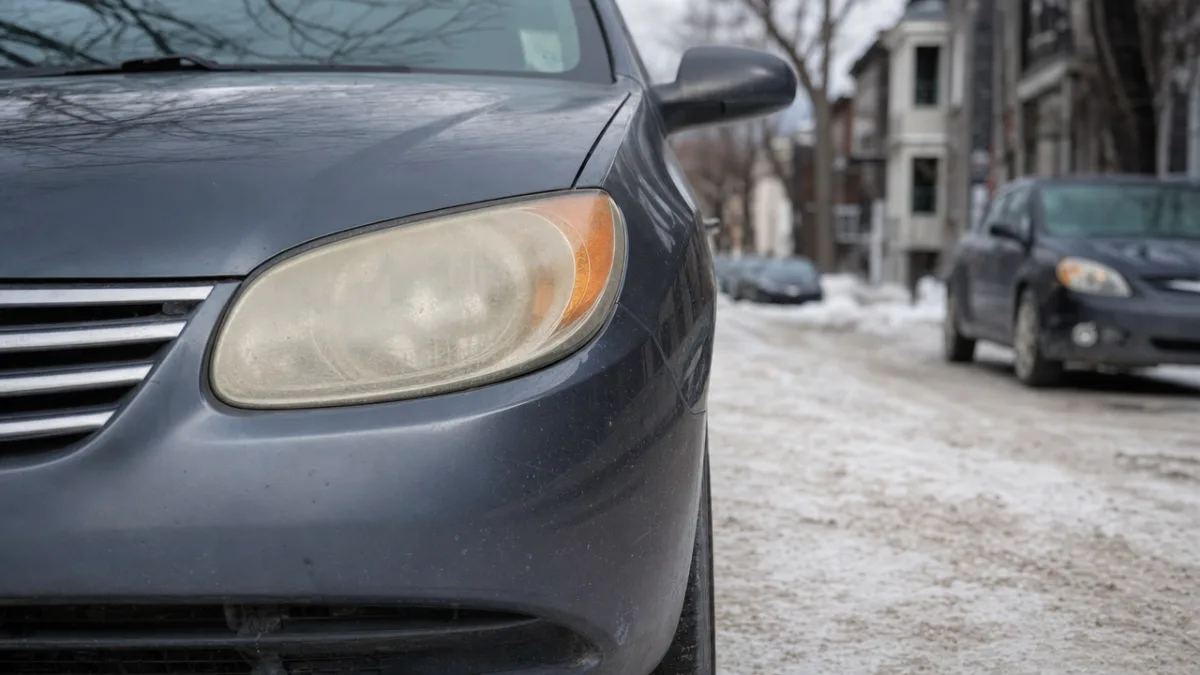
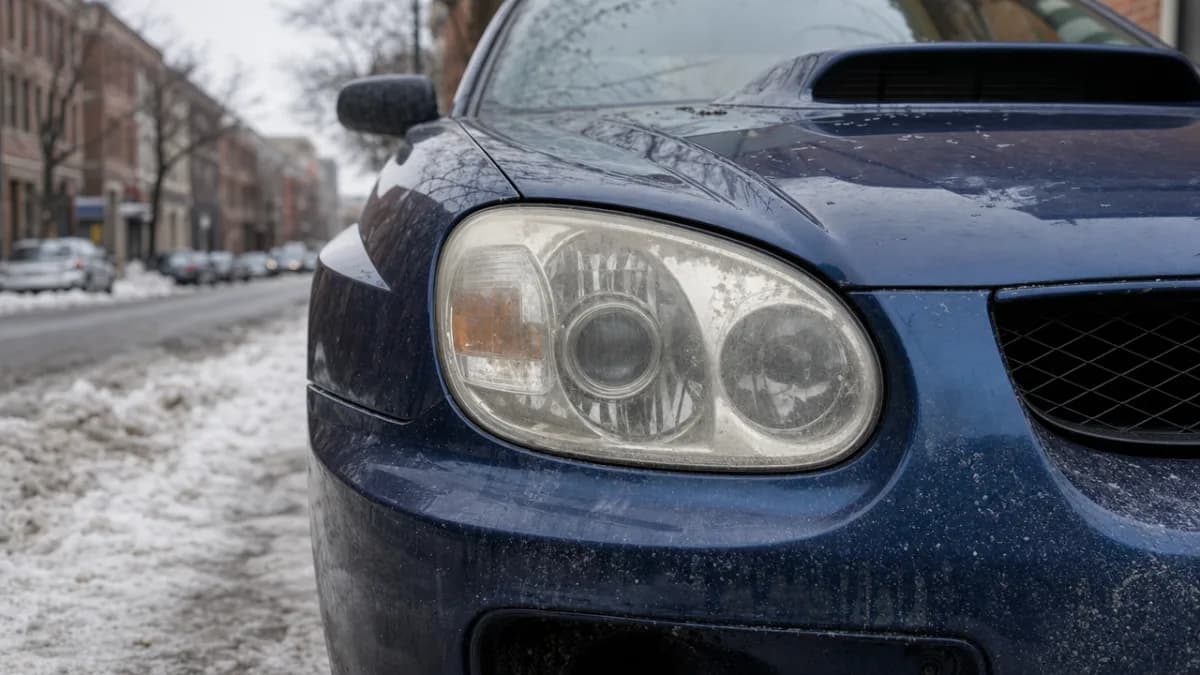
In Quebec, the conditions are particularly rough: repeated freezing and thawing, abrasive road salt, intense summer sun, and slush constantly splashing up. The coating wears away first, and once it's gone, the polycarbonate oxidizes and yellows quickly.
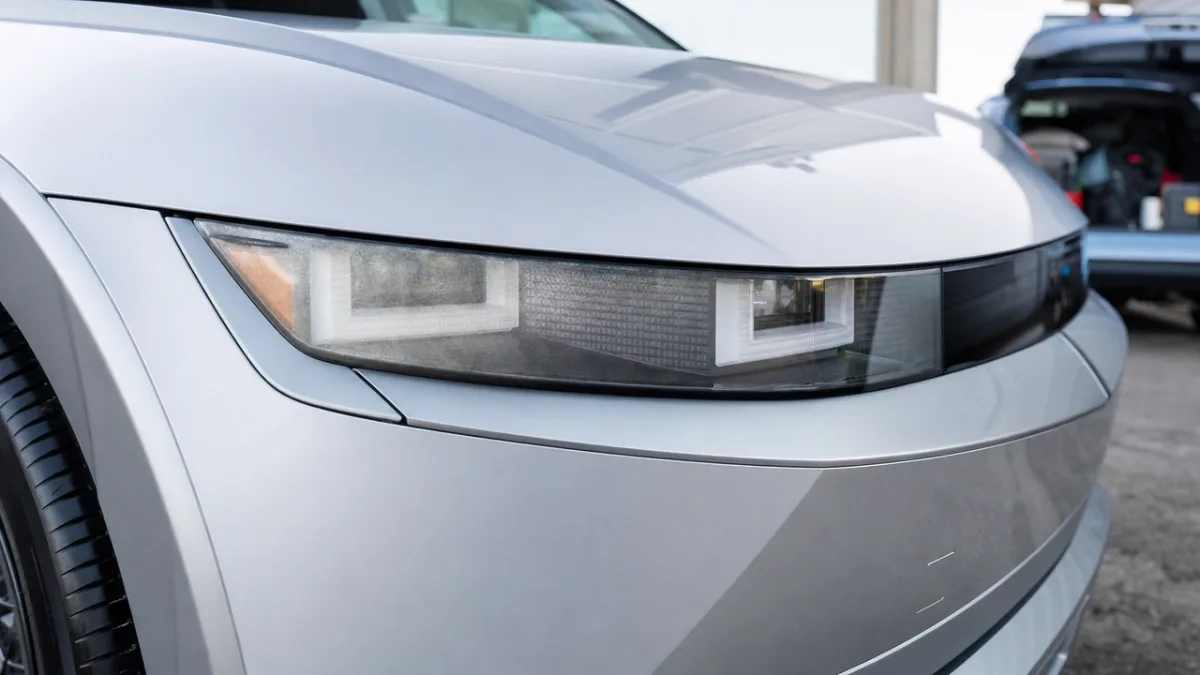
On recent generations of the Tucson and Sportage, the headlight assemblies have a fairly large exposed surface, which increases the area in contact with the elements. Models with headlights integrated into the front corners also have a geometry that encourages dirt and road debris buildup, which speeds up the deterioration.
As we explain in our article on why polycarbonate headlights yellow faster than glass, the problem is structural and affects nearly all manufacturers. The Tucson and Sportage are no exception, and certain generations of these models appear more prone to it than average.
What it actually means for you
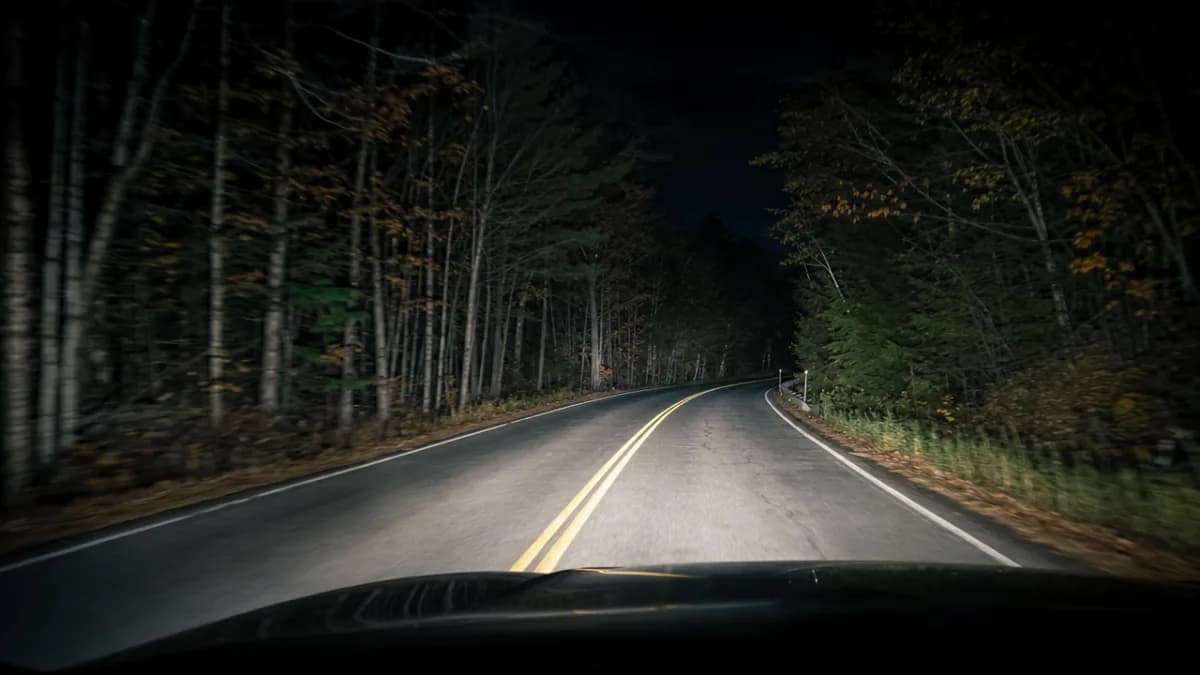
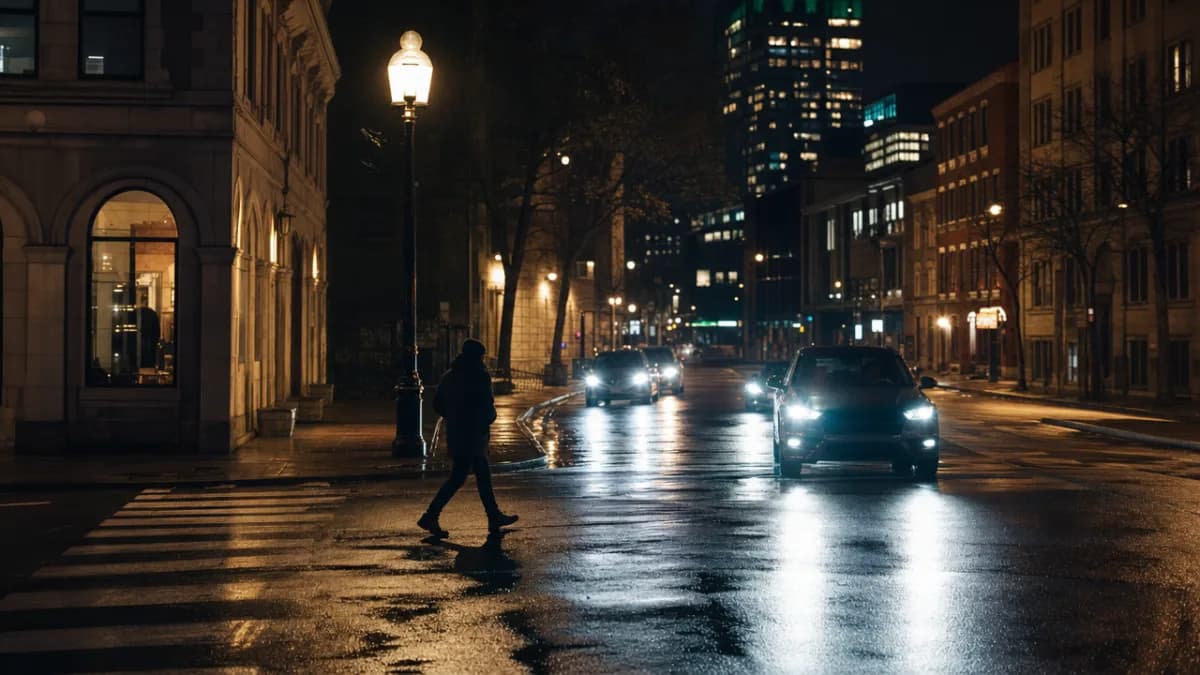
Yellowed headlights aren't just a cosmetic issue. The light coming through an opaque headlight is less intense, less well-directed, and less effective at lighting up the road. In Quebec winter driving, with storms, darkness by 4 p.m., and poorly lit roads, that's a real difference.
That said, contrary to what you sometimes hear, there's no mandatory annual inspection for passenger cars in Quebec, and you won't get a ticket for a headlight that's simply yellowed but still working. The real issue with a cloudy headlight is your visibility, not a fine.
There's also resale value to consider. A Tucson or Sportage with yellowed headlights looks neglected, even if the mechanics are perfect. If you're thinking about selling or trading in your vehicle at some point, that's worth paying attention to.
Headlight restoration: does it work on these models?
Yes, and that's the good news. Headlight restoration works well on the Tucson and Sportage, regardless of generation. The work involves removing the oxidation through progressive sanding, then applying a protective treatment so the results last. When it's done properly, the headlights get back to something close to their original clarity.
The finish is what matters. A simple polish without durable protection won't hold up long, especially in this climate. That's a point we go into detail on in our article about how to protect your headlights after restoration: the post-restoration treatment is just as important as the restoration itself.
For a Tucson or Sportage with moderate to advanced oxidation, professional restoration usually takes somewhere between one and two hours on-site. No need to drop the vehicle off anywhere.
Mobile service: an option that makes sense
That's where Phares Auto Mobile comes in. We come to you, whether that's at home or at the office. You don't have to plan a day without your car, wait in a waiting room, or arrange a ride. We work directly on your Tucson or Sportage right where it's parked, and you drive off with clear headlights.
For owners of Korean SUVs who didn't see the deterioration coming, it's often surprising to see how much the result changes the look of the vehicle. For those who want to avoid getting there again next time, regular maintenance (once a year or every two years depending on sun exposure) is enough to keep headlights in good shape much longer. How often should you maintain your headlights in Quebec? gives you a clear sense of the recommended intervals based on your driving habits.
If your Tucson or Sportage is starting to show signs of yellowing, act before it gets worse. Book an appointment at pharesautomobile.ca and we'll take care of the rest.